












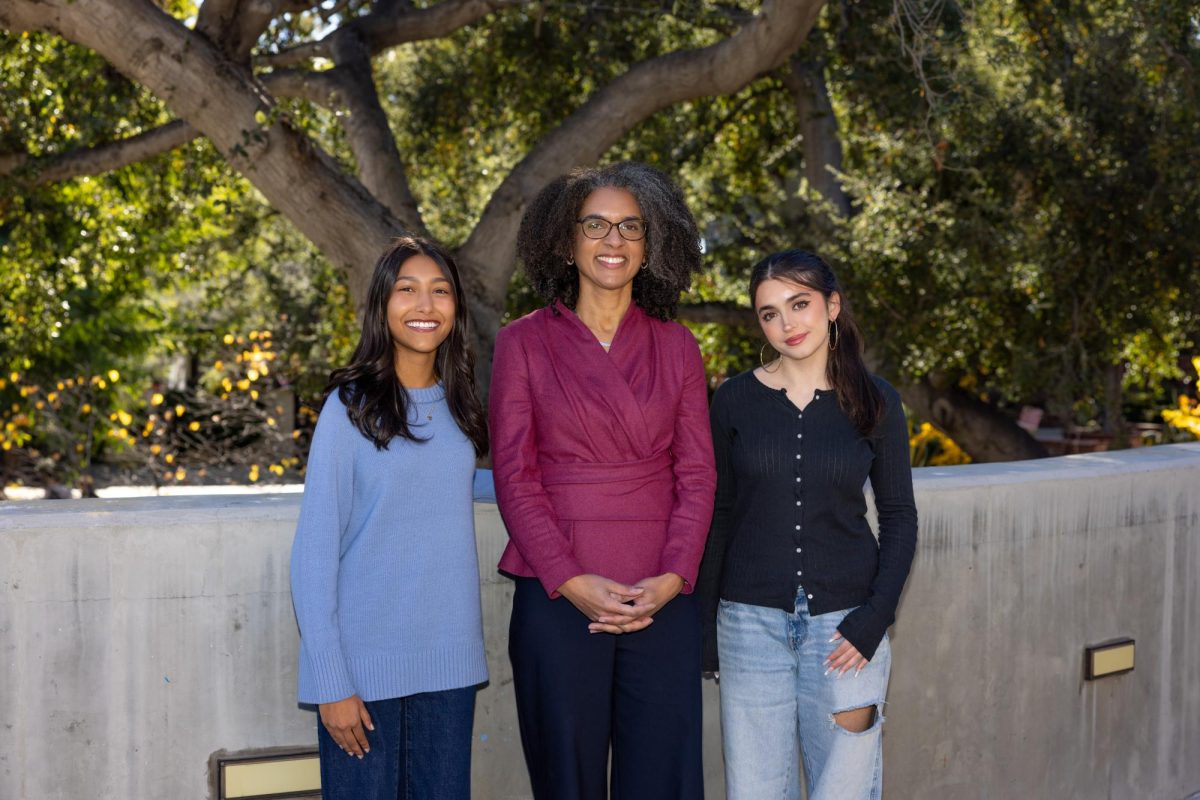
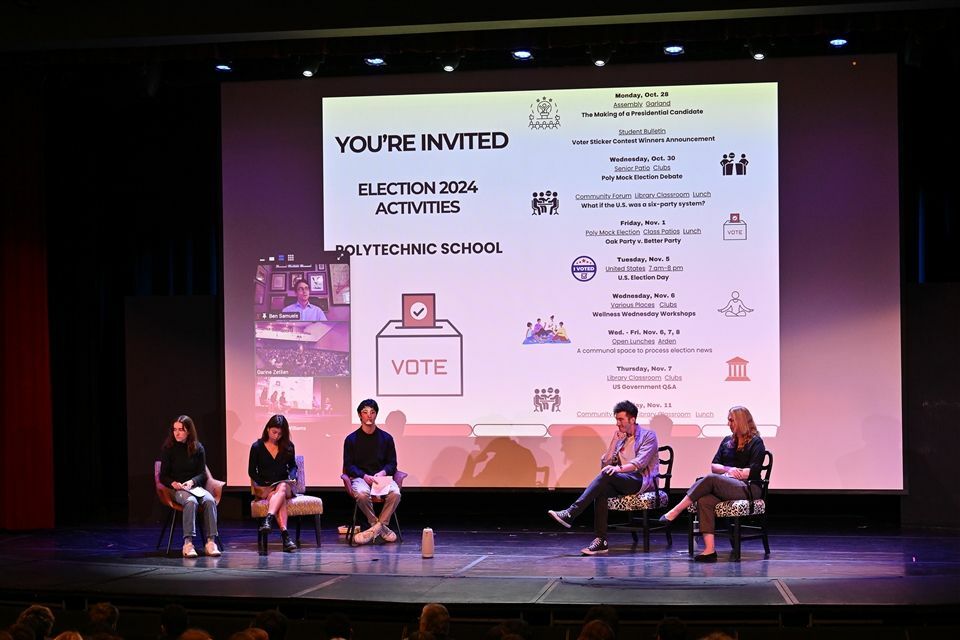




For an assignment in the PolyEnriched American Studies class, juniors were required to write and deliver a speech on a topic they are passionate about. The article below is junior Lilah McConnell’s speech.
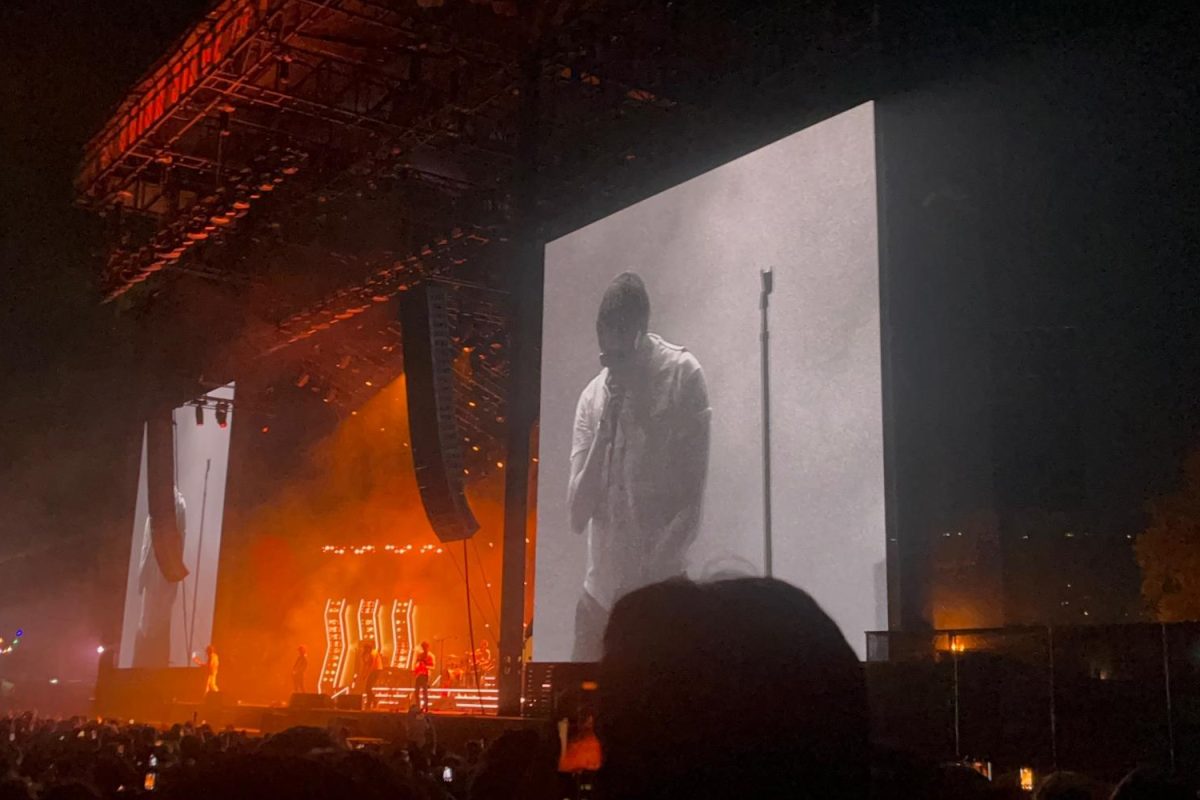
In every classic high school movie, there’s a scene of all the students packed into a gym supporting their team and cheering them on to a championship with vivid school colors filling the bleachers and coordinated chants bouncing off the walls. When I was little, I loved that moment when the crowds would hold their breath, waiting for the final minute of play, squeezing each other’s hands for comfort, and finally rushing the court as the buzzer sounded. Those scenes called to me through the screen, inspiring me to get involved and pursue excellence in the sports community, both as a player and a fan. It’s a magical moment, the moment when students become winners. The moment when teams become families. The moment when an entire school becomes a home. But in all my time at Poly, that moment has never come.
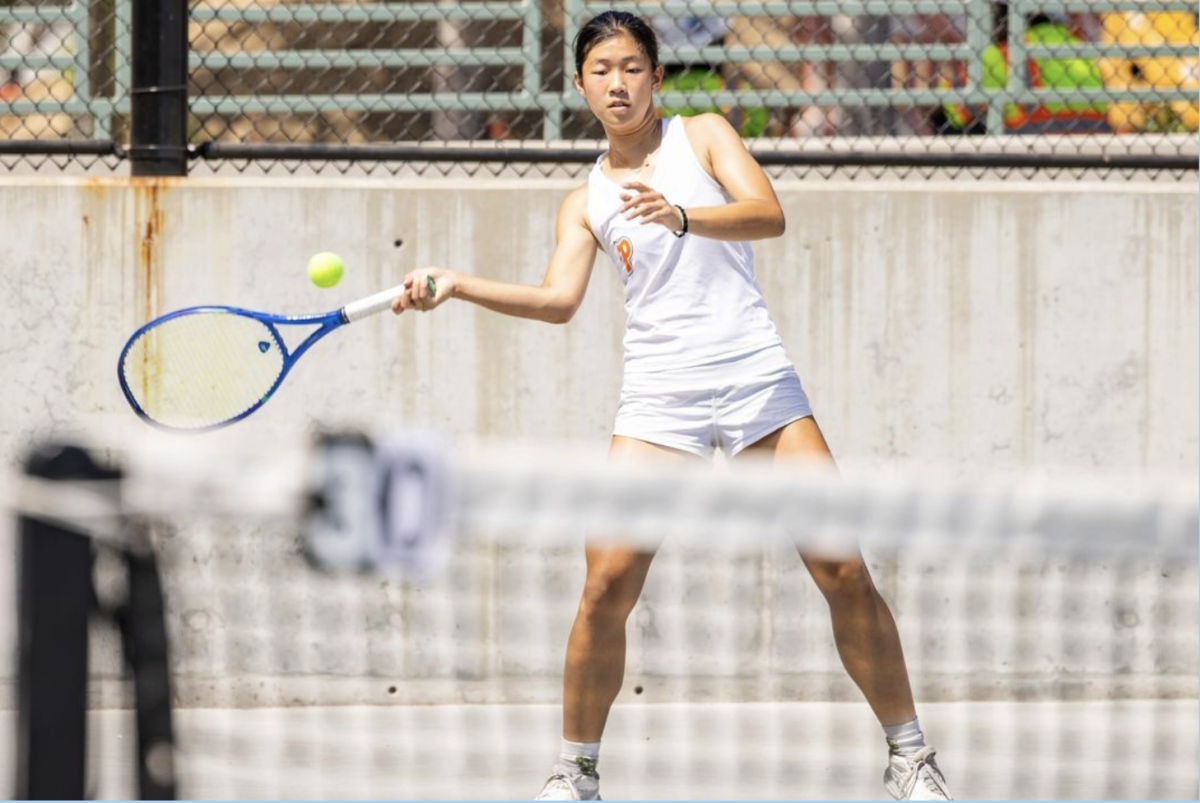
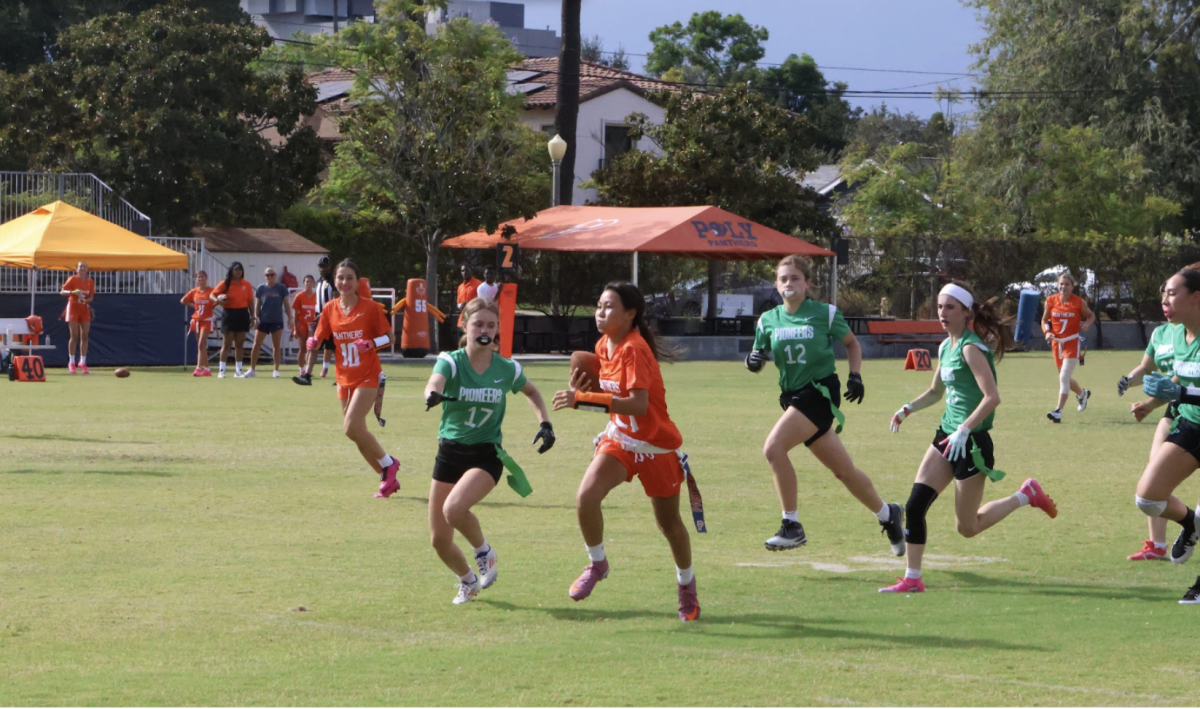
Instead, we have empty stands, isolated athletes, and diminished enthusiasm. Instead, we have an Instagram account that showcases only a tiny percentage of what the student-athletes have to offer. Instead, we have a system that ignores student feedback, unfairly represents teams, and creates a divide. Over the 2025 fall season, the girls cross country team and the boys water polo team had the best results, results that should amount in similar recognition. Poly’s Athletics Instagram account overwhelmingly favored the boys water polo team during this period, highlighting them specifically in nine posts, featuring engaging game footage and action shots, centering the season around them instead of all the fall sports. In comparison, only two posts featured the cross country team during the same time, and they faded into the background like the students cast as trees in a school play. Both teams had winning records this season, and both teams qualified for the CIF playoffs.
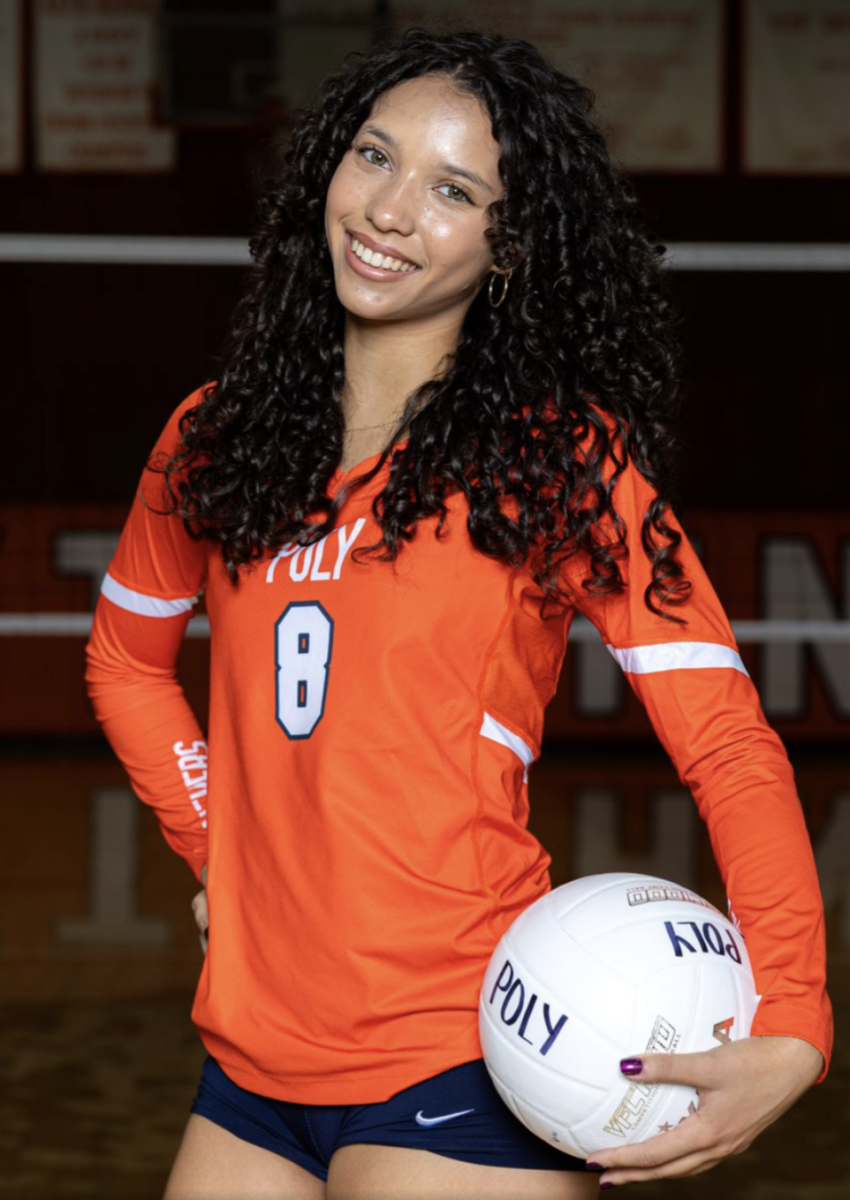
The athletics program should showcase all the teams, encouraging students to share the stands and the spotlight, but the amount of attention each sport receives is unequal. While some are broadcast on every platform, others remain all but invisible to anyone not actively playing. How are students supposed to show up for each other if they don’t even know who is competing?
Sports have long served as a historic pillar of communities in the United States, with school districts introducing high school sports in the 1920s, a time when communities felt disconnected and lost after the war. Sports provided a glowing lantern of nationalism, leading people out of the darkest tunnels while encouraging physical fitness, discipline, and teamwork at a young age. High school teams fostered unity among students, faculty, and towns, boosting morale through shared experiences that bridged social divides and reduced loneliness significantly. It was an era of change with the introduction of urbanization and immigration and compulsory education and language immersion, creating diverse groups of people in high schools. Sports gave students structure, gave students stability, and gave students pride. Ushering communities back together, the athletics programs became much more than a simple game, restoring hope and human connection as the high schools became cities upon a hill, teaching Americans how to regain pride and balance through sports.
Why do we still care about sports? Because the modern commercialization of sports brings reputation, success and financial benefits that arise from competitiveness, high schools like Poly continue to incorporate athletics into their curricula. Overly focusing on our rank in comparison to other schools, we often forget that Friday nights were meant to grow unity, not status, and we lose the community identity and culture that sports previously upheld. Yet, according to Poly’s mission statement, our true priority as a school is to “foster inclusion and promote excellence” by celebrating each student and the potential that emanates from their human spirit, and we should strive to make sure each program exemplifies these values. So our sports should do just that: allow students a space to express themselves, take pride in their achievements, celebrate each other by creating a sense of spirit and camaraderie. Poly claims they care. In practice, however, we have fallen short of implementing those ideals, so we need to return to our core principles, principles that strengthen our athletes, not tear them apart.
The problem lies in the Athletics Department’s main output keeping athletes divided, forcing teams to be divided, and making the entire Poly community divided. It constantly sends a message about who matters, and who matters sends a message about who doesn’t. When sports culture, which should foster teamwork, build community, enhance social connection and emotional well-being, instead remains uneven and unfair, isolating athletes, it has the opposite effect than intended. Students feel divided and isolated, competing teams feel like enemies, and participating players feel undervalued, all while the seats remain empty and the Instagram account remains underrepresentative.
We lack connection. We lack consistency. We lack a system that encourages students and supports them. So, what we need is collaboration and student involvement and visibility for all. We need to see student athlete spotlights and live updates and newsletters and features. Highlight every sport, promote every team, celebrate every victory. Then we will have a Poly where no one remains less than, a Poly with zero selectivity or exclusivity, a Poly where we truly live up to our core values, a Poly with that movie moment that I’ve always dreamed of.