












“17-Year-Old Larissa Rodriguez Dies After Drinking Alani Nu Energy Drink.”
This headline has circulated news outlets and flooded our TikTok pages in recent days. A high-achieving student and cheerleader, Larissa Rodriguez, died after consuming two Alani Nu energy drinks, according to a lawsuit filed by her parents months after her death. The lawsuit claims she died from an enlarged heart caused by excessive caffeine consumption, as reported by NBC News. Although the story is still unfolding, and people on TikTok have come up with various defenses for Alani or the company that makes the drink, this case certainly raises a question: how much caffeine is too much – especially for teenagers?
Although I am certainly guilty of daily caffeine consumption, even stocking up ten Alanis the day before the case was publicized in the news, I’ve been forced to reconsider students’ relationship with caffeine, including my own. Learning about how serious the potential side effects can be doesn’t seem to fit with how normalized excessive caffeine consumption is in our age group. According to the Today Show, the lawsuit reported Rodriguez was drinking at least one Alani per day in the year prior to her death – an amount not too different from that of many high school students. At Poly, it’s time to start reconsidering how we use caffeine and begin to consume it more moderately.
At Poly, caffeine culture is undeniable. Each morning at 8:30, students are already clutching a Peet’s iced coffee, sipping from a matcha latte, or cracking open an energy drink. For many students, caffeine is a daily boost of energy rather than an occasional indulgence. Sophomore Leela Wahl shared, “I honestly don’t feel great about my relationship with caffeine. Without at least two cups of coffee, I don’t think I can even function. Then some days I find myself having coffee, an energy drink and a Coke. It’s even at the point where I go to sleep thinking about my coffee the next morning.”
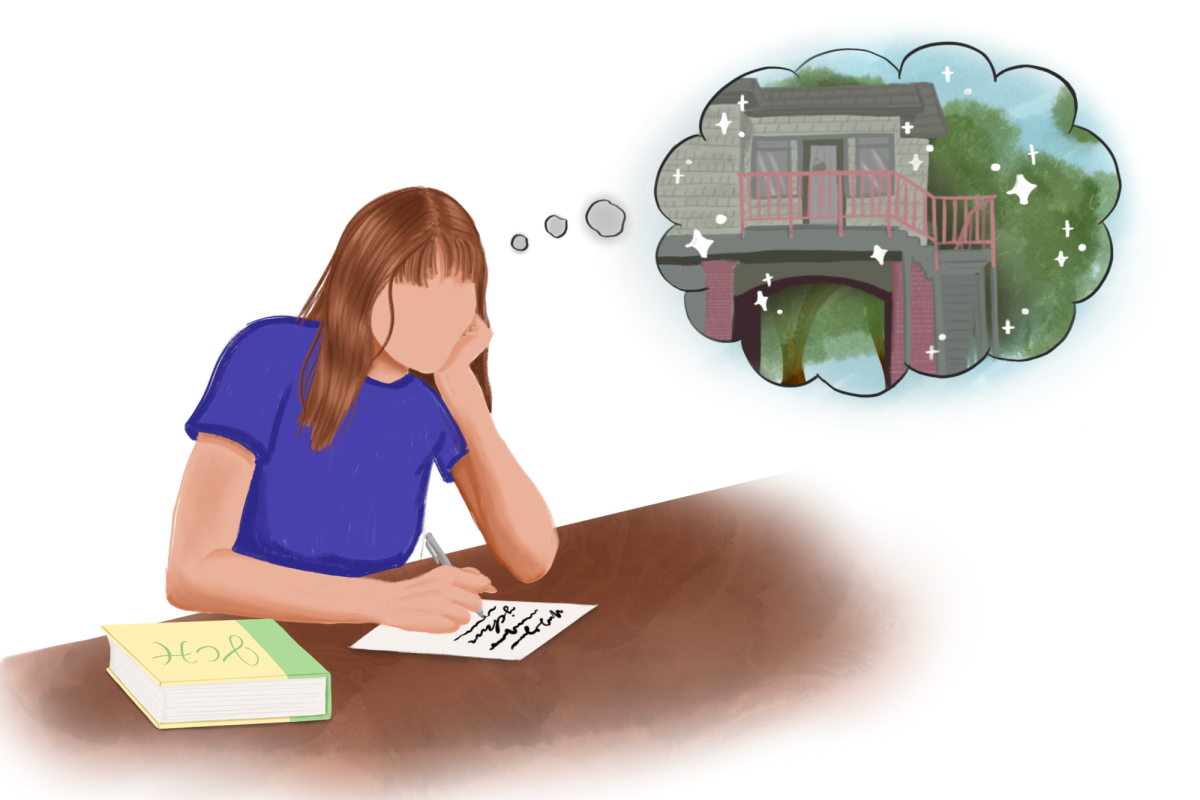
Caffeine is appealing for obvious reasons. Between extracurriculars, long school hours, homework and studying that drives us late into the night, students are stretched thin on sleep, facing the constant pressure to perform well. But while caffeine seems to be the way many of us get through the day, this promise is actually misleading. Caffeine doesn’t give the body more energy; it just changes how the body responds to fatigue.
Caffeine works by blocking adenosine, a chemical in the brain that builds up throughout the day and makes us feel tired. Instead of giving us real energy, it essentially tricks the brain into feeling alert by delaying the pressure to sleep. But while the signal is muted, the underlying fatigue remains and continues to accumulate. When the caffeine wears off, that built-up tiredness hits all at once, often leaving students feeling even more exhausted than before.
One of the most immediate consequences of caffeine is its impact on sleep. According to Atlantic Health, a non-profit health network based in New Jersey, “Regardless of how well you tolerate caffeine or how little you drink, even a small amount of caffeine will negatively impact your sleep quality.” This is where the cycle begins. Students drink caffeine because they’re tired, but the caffeine itself makes it harder to get the quality sleep they actually need. Over time, this cycle leads to several negative outcomes, including decreased concentration, poor memory and cognitive function. In fact, a study from the Center for Disease Control suggests sleep deprivation leads to a mental state comparable to a 0.10% blood alcohol concentration due to the impairment of motor and cognitive performance.
Beyond sleep disruption and the consequences that follow, caffeine intake has various physical implications. Having excessive amounts can lead to increased heart rate, jitteriness, headaches and nausea. Dr. Shannon Kilgore, MD, a neurologist in Palo Alto, California, stated, “Even in moderate amounts, it can cause jitteriness and anxiety.” Anxiety is another huge impact to consider. As Poly students, we are already in a high-pressure academic environment; caffeine can amplify these feelings of overwhelm, leaving students feeling on edge and distracted.
Sophomore Victoria Day, who most commonly indulges in Starbucks, Celsius and Red Bull, reflected on her negative experiences with caffeine, sharing, “I got very sick from caffeine – it was giving me daily headaches that made me more tired and led to heart palpitations, so I had to stop.”
Everyone knows these facts in the back of their mind. Everyone has likely even experienced the harmful effects of caffeine firsthand– contemplating whether they should crack open another Celsius when they can’t stop shaking and their heart is beating out of control. So why do we still drink it?
Part of the reason lies in the way caffeine is marketed. While warnings about caffeine content do exist, they are incredibly easy to overlook. As recommended by the American Academy of Pediatrics, teenagers should drink no more than 100 mg of caffeine per day. Yet many of the drinks that have become staples in student routines far exceed that amount. Most energy drinks contain 200+ mg of caffeine, which is double the recommended limit and are sometimes consumed with other servings of caffeine in one day. Although this guideline exists, it is entirely disconnected from the reality of what teenagers are actually consuming. It was just a few days ago that I first saw the minuscule writing on my Alani can warning, “Not Recommended for Children,” and I was only prompted to search for the cautionary inscription after watching a TikTok defending Alani amidst the lawsuit.
Although the mandatory disclaimer exists, the marketing Alani actually uses tells a very different story. Before the creation of popular brands like Alani and Bloom, Red Bull and Monster dominated the energy drink market. These brands capitalized on intensity: extreme sports, adrenaline and thrill-seeking. These drinks were marketed as aggressive and masculine, creating the implicit understanding that they were powerful and to be consumed with a certain level of awareness.
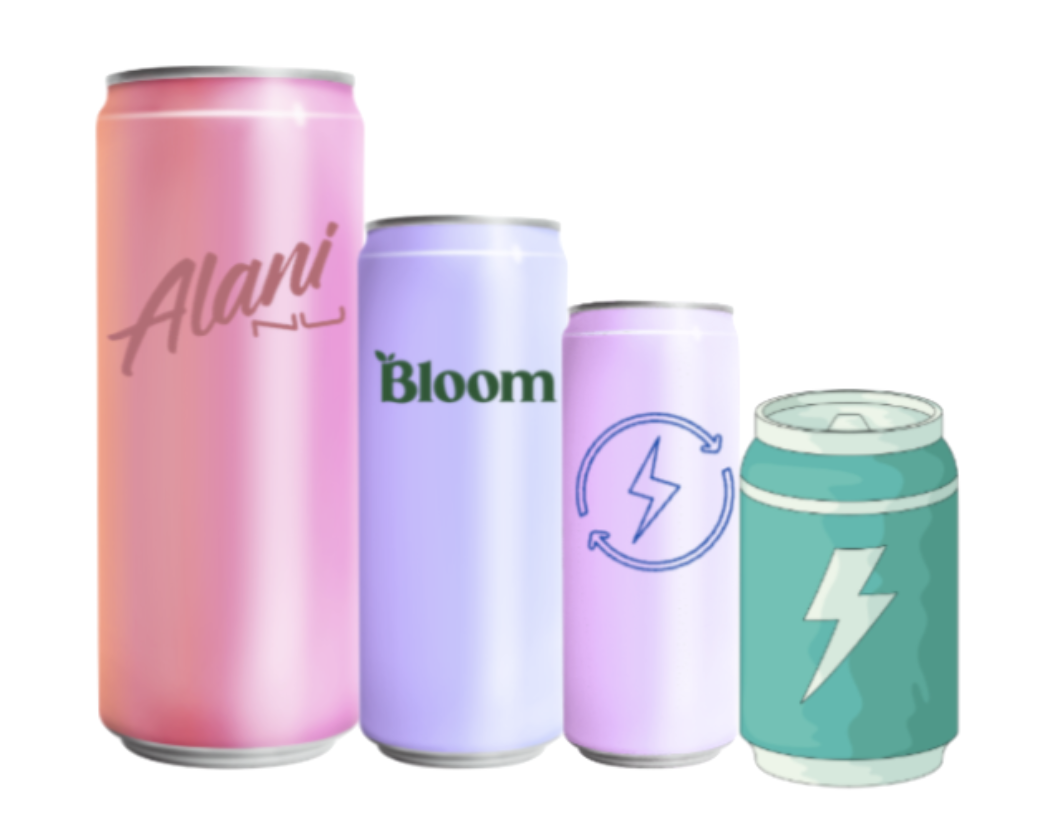
But with the emergence of brands like Alani in 2018, the drinks began to take on a much daintier appearance, shifting to pastel packaging and flavors that mimicked candy and fruity drinks. The branding emphasized being sugar-free and part of a clean, healthy lifestyle, adopting an approachable aesthetic that caught the attention of many girls and young women.
A similar pattern appears in coffee culture, especially with brands like Starbucks. Drinks like Frappuccinos, refreshers and lattes are first thought of as aesthetic treats, not sources of caffeine. In this sense, caffeine has become more of an accessory that obscures people’s understanding of its impact on health and its role as a stimulant. When we combine this marketing with students’ genuine desperation for energy when overworked, caffeine easily sneaks its way into daily routines without us realizing we are far over the recommended limit.
Larissa Rodriguez’s case may be extreme, but it draws attention to a concerning reality ever-present in student life. As reported by the Today show, Benny Agosto Jr., the attorney for the Rodriguez family critically noted, “It’s not that she drank five one day and just died, it wasn’t like that…she was a popular person, [she] enjoyed the taste of it, enjoyed drinking it, it’s part of the social aspect of being a teenager, but nobody’s warning that that’s a danger.”
I’ve seen Alani stans on TikTok redirect the blame to Rodriguez’s parents, criticizing them for supplying their daughter with an excessive amount of these drinks. While it is true that parents play a role in overseeing what their children consume, this argument misses the point. The unsettling part is that we live in a culture where teenagers think it’s okay to drink over 200 mg of caffeine per day. Caffeine isn’t inherently harmful when consumed in moderation, but it’s important to reflect on the conditions that make students unknowingly rely on it beyond moderation without comprehending the risks.
For Poly students, this doesn’t have to mean cutting out caffeine entirely: it just means being more intentional with our consumption. The next time you are yearning to grab another Alani from the fridge or order yourself an iced coffee, reflect: is it genuinely helpful for a specific circumstance where the upside of this drink will outweigh the negative consequences, or are you just blindly feeding an unhealthy habit? For example, you can use caffeine strategically before a long game or ahead of a particularly demanding day, rather than relying on it to get through everyday.
Ultimately, this shift requires an awareness that, for many of us, caffeine has become a requirement instead of a choice. If you find yourself relying on caffeine just to get through the day, that is a sign worth paying attention to.