


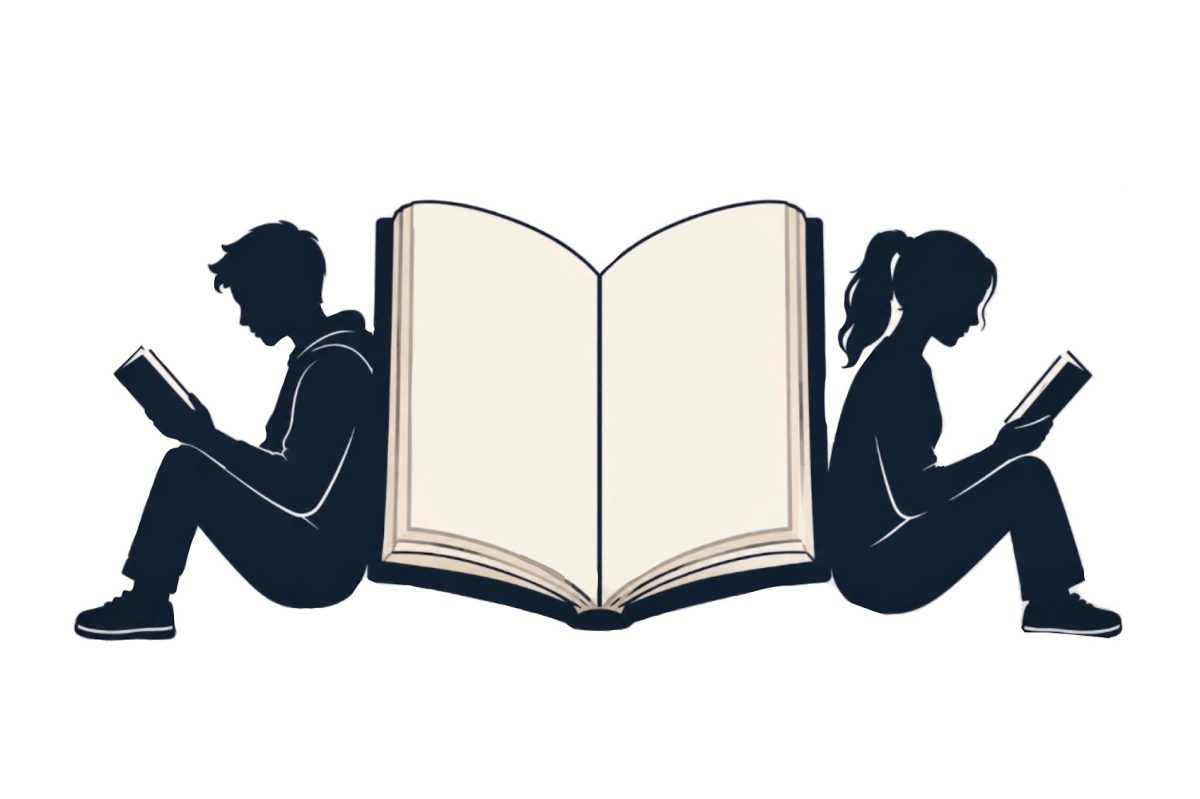


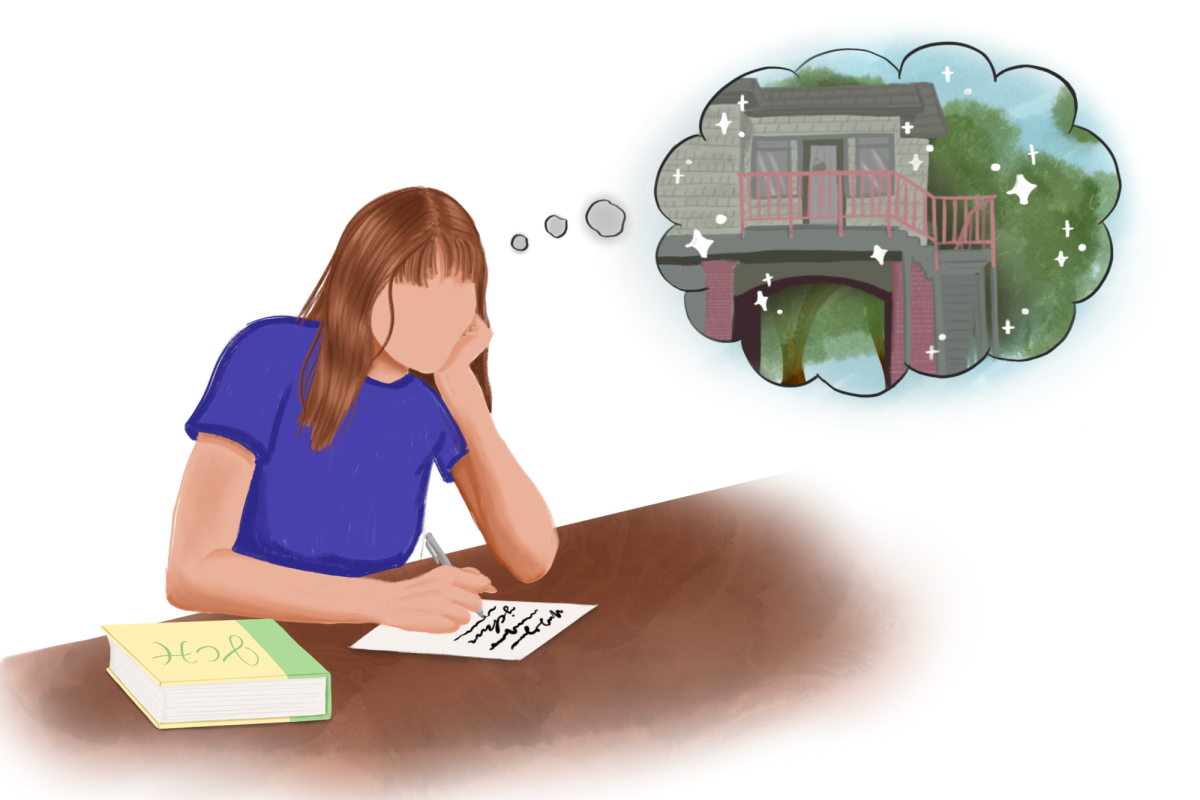

As teenagers, many of us look for role models to guide us through this critical segment of womanhood or manhood. Often, with the rise of social media, we turn to influencers on TikTok and Instagram, emulating them and letting them shape our decisions, purchases, appearance and persona. However, social media promotes toxic, shallow standards that lack authenticity. For this reason, educators must push high school students to shift toward literature-based gender standards and role models.
With novels and biographies about gender issues, teenagers can find their sense of self by being inspired by trailblazers, reading honest experiences and understanding key historical impacts. By sparking class discussion about these topics, we can reduce gender divides and build understanding among students of varying genders. Consequently, I believe the Poly English department should strive to incorporate more gender-centered reading material in the ninth and tenth grades.
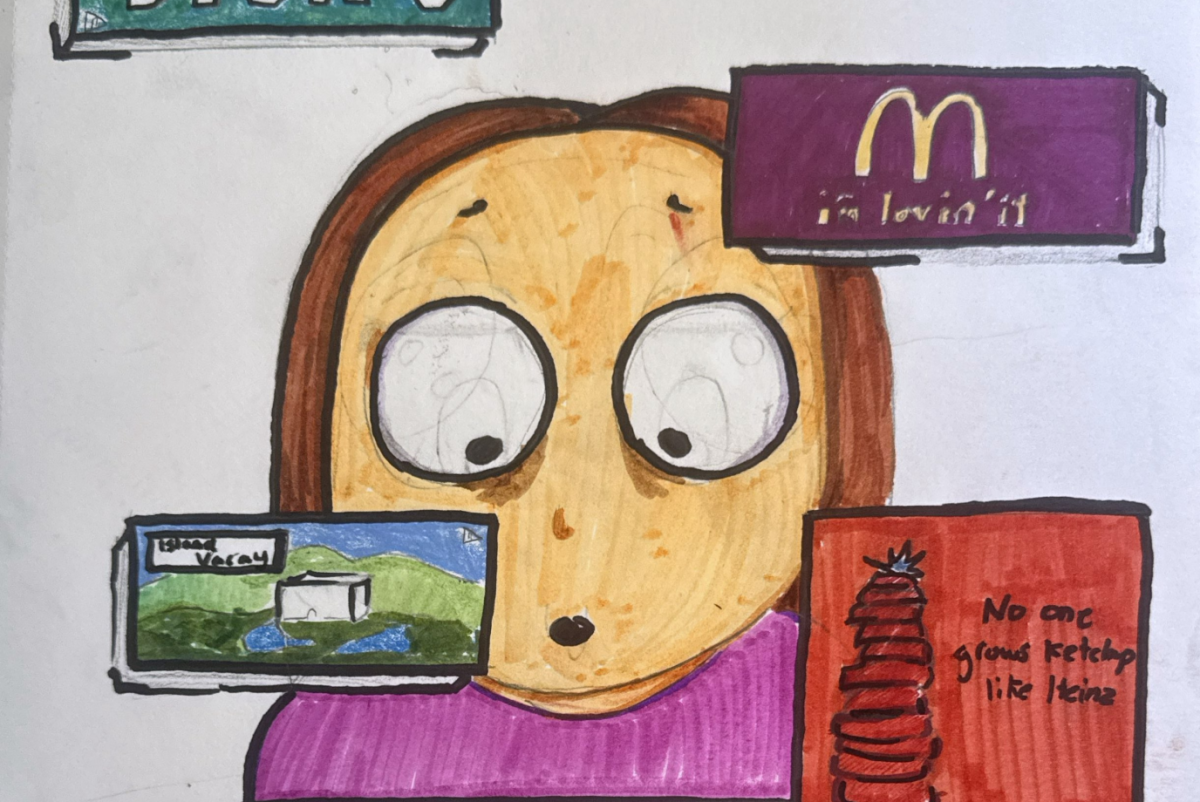
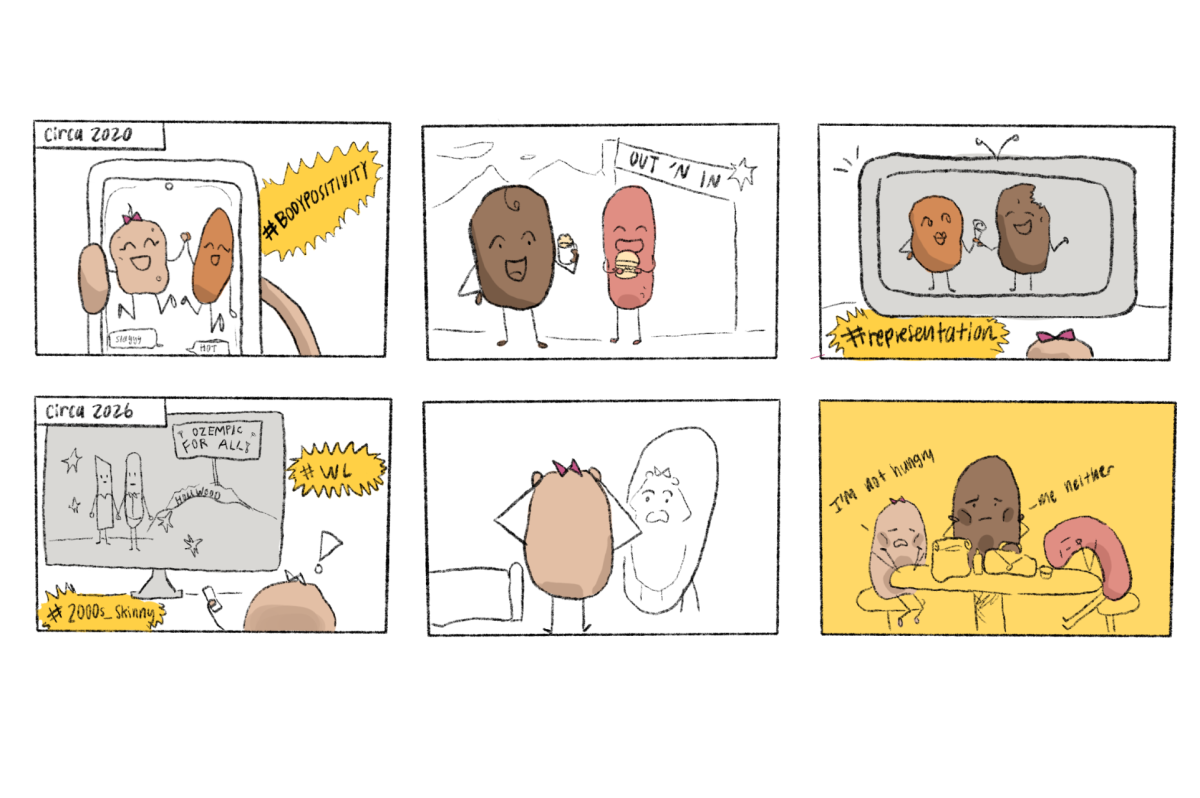
According to the American Psychological Association, teenagers spend roughly four to five hours per day on social media, with YouTube, TikTok and Instagram accounting for 87% of the time. In contrast, the average American teenager spends only five minutes reading for personal pleasure, plus the occasional 20-30 minutes for homework. The issue with social media isn’t simply the addiction; it is the toxicity of the content itself. If most of us even spend 10 minutes scrolling, we’ll probably come across at least a video or two about “looksmaxxing,” bodychecking and OnlyFans models. These topics center around purely physical attributes rather than the internal value of an individual. Seemingly innocent “influencers” flaunt consumerism, rapid consumption and a focus on strictly material possessions.
From self-perception to purchases to habits, social media seeps into every aspect of our lives. More than anything, the self-confidence, identity and body image of young children shatter with each unrealistic expectation. Michigan Health conducted a national poll that reported appearance insecurities in 73% of teen girls and 69% of teen boys, percentages that have risen in tandem with social media.
When I asked junior Ajani Durham for his thoughts on how media impacts views about gender and sex, he replied, “I think the rise of the manosphere and toxic masculinity perpetuates bad ideologies about women in general, which is really toxic. Especially at Poly, most kids are on social media a fairly good amount. They consume a ton of that sort of content, and you can see it in references they make to influencers like Clavicular or Myron, who have these negative ideologies, especially about women.” Durham’s statement ties back to the issue of influencers, such as Clavicular, who promote “looksmaxxing,” a current online subculture that focuses on maximizing one’s physical appearance and appeal. The obsessive behavior that stems from this trend has led to teens falling into traps of peptides, “bonesmashing,” and overall body dysmorphia. The trend as a whole is extremely binary – it categorizes beauty as objective rather than subjective, adding to the pre-existing unrealistic standards for every gender.
Additionally, Clavicular objectifies women during streams in which he comments on the appearance of and makes physical moves on college-age women, OnlyFans models and other female influencers. As for Myron, he is the co-host of the “Fresh and Fit Podcast,” which flaunts physical optimization and “sexual marketplace value” under the guise of self-improvement and dating advice. These popular figures create excessive pressure and influence on teens, whether it be on their appearance or their relationships with other genders.
Conversely, literature often provides the reader with characters that represent strength, loyalty, progress and authenticity. Fictional characters may not be real, students can still build real connections to characters and figures and look beyond physical appearances in a way they can’t with fake online personas. Currently, there is a lack of books about gender in the underclassmen’s English curriculum. Most books center around race, family, and heritage, such as “The Joy Luck Club” and “Kindred.” Others explore the importance of books and education, like “Fahrenheit 451” and “Babel.” I am not saying that these topics are not important in their own right, nor that gender is never discussed; for example, Upper School English Teacher Alexander Jimenez told me, “With ‘Kindred’ and a complex character like Dana, I think it’s necessary to talk about her identity as a Black woman… I often give my students a brief overview of second-wave feminism before delving into Dana’s character.”
But while gender is an occasional topic for underclassmen, it is treated as an inconsistent subcategory that varies from teacher to teacher rather serving as the focal point. When I asked Durham whether he agreed that we can improve mental health through better role models in our literature, he added, “Poly’s English curriculum should address the consumption of this content by using books to destabilize negative thoughts that I think a lot of boys have been consuming in the past couple of months.” Just off the top of my head, I can think of multiple books that have redefined gender roles and stereotypes for myself and countless other readers. For example, novels like “The Bell Jar” and “The Catcher in the Rye” explore the depths of mental health and self-love. Other novels harp on the intersection of societal and internal gender issues, such as “Little Women” or “Darius the Great Is Not Okay.”
While history books provide raw facts about key male historical figures, novels can actually explore internal experiences of characters. English Department Chair Serra Leroy mentioned, “I taught boys who wished there were more texts across the curriculum that addressed issues that boys go through too.”
The same goes for female history: after some of her senior students talked about the lack of gender coverage in the English curriculum a few years ago, Leroy attempted to address the issue through her course. She explained, “I’ve spent Fantasy, Fiction, & Film classes breaking down the feminist movement and showing different definitions of feminism.”
These studies can also bridge a gap between genders at Poly. When reflecting on her Fantasy, Fiction, & Film (FFF) class for seniors, Leroy explained, “What I find illuminating every time I start the first unit with Seniors in FFF, I ask about big thematic ideas, specifically to do with their Poly existence. What surprises a lot of male-identifying students is that women see gender struggles on campus in a way that the male-identifying students don’t.”
Teenage girls are often subject to verbal harassment and frequent criticisms throughout high school, which can hurt one’s self-esteem. Exploring the female experience in our English curriculum can not only boost female mental health, but also build understanding from male classmates.
“I have often had an English class where boys are all on one side, and girls are all on one side,” said Leroy. “I do think we have a culture at our school that’s already very gender divided in some ways. If we’re not talking about it until senior year, that makes it hard. While it’s a good time for students to discuss those things before college, it would be nice if they were thinking about these things in English class before senior year.”
Leroy’s experience teaching seniors in FFF highlights the importance of incorporating gender studies in the underclassmen years as a guiding light for the rest of high school. Of course, as Jimenez and Leroy both mentioned, we must carefully consider the reading level and difficulty of books for underclassmen, yet there is a multitude of works that do fit the mold. Whether through novels, poems or biographies, what matters is starting that crucial conversation between genders, for the sake of our mental health, understanding and identity.
To put it simply, as Jimenez expressed, “When you have a chorus of these voices, you have a more robust understanding of what it means to be human.”