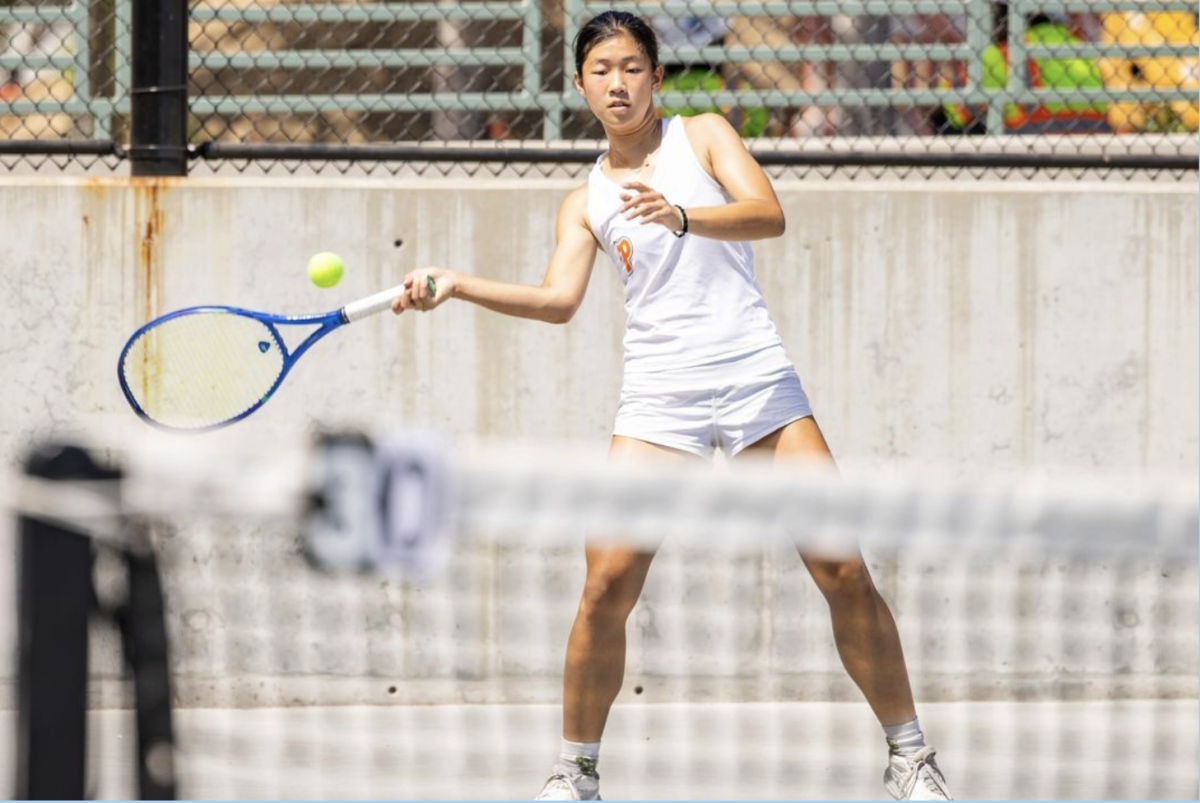
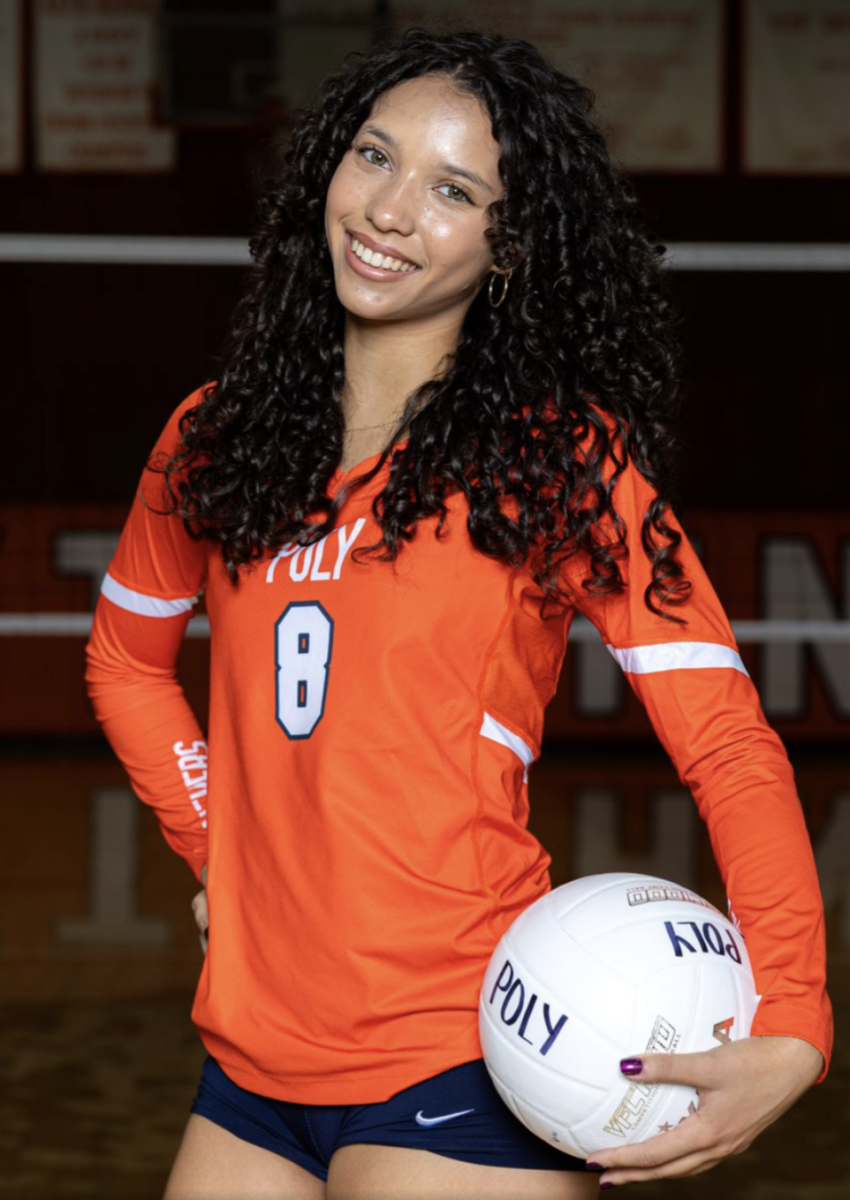
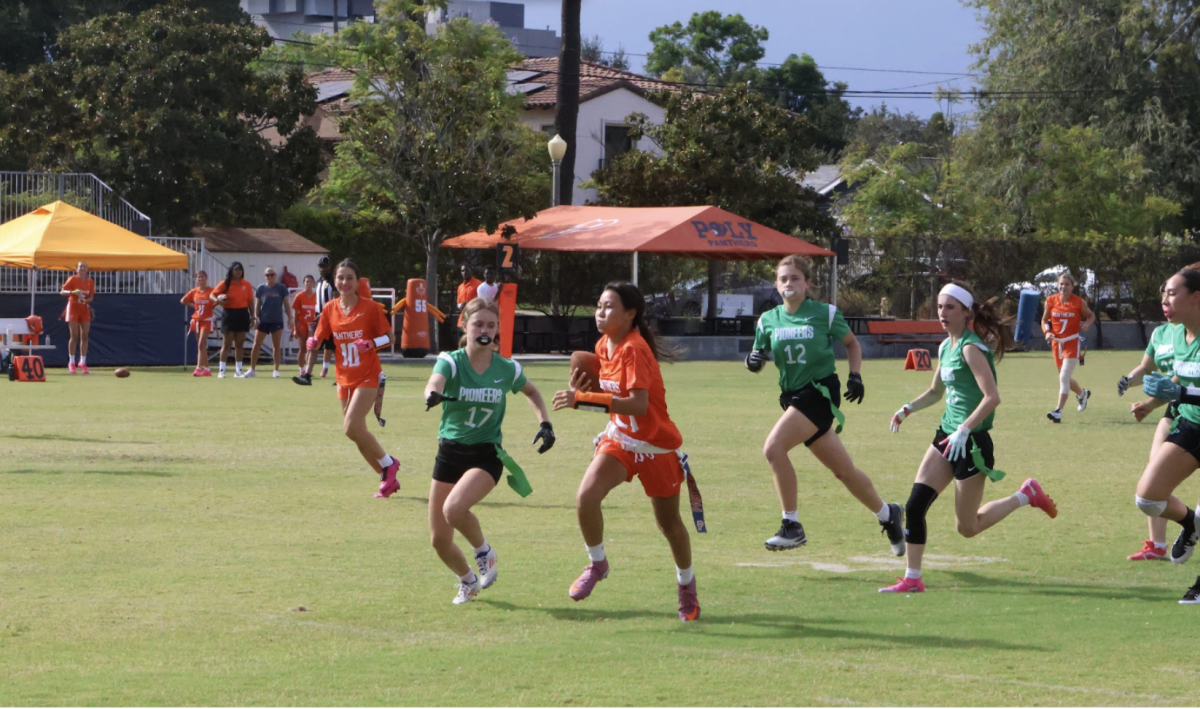
For an assignment in the PolyEnriched American Studies class, juniors were required to write and deliver a speech on a topic they are passionate about. The article below is senior Alexandra Tan’s speech from the 2025-2026 school year.
“Because I told you to,” my mother responded to my question of why I needed to clean my room, and even though I didn’t understand, she didn’t explain. I was never the kind of kid who would set the table without being told to, or eat less dessert because it was unhealthy, or take out the trash because it was full. Someone always had to make me do it. My siblings need reminders too, but they get them a different way.
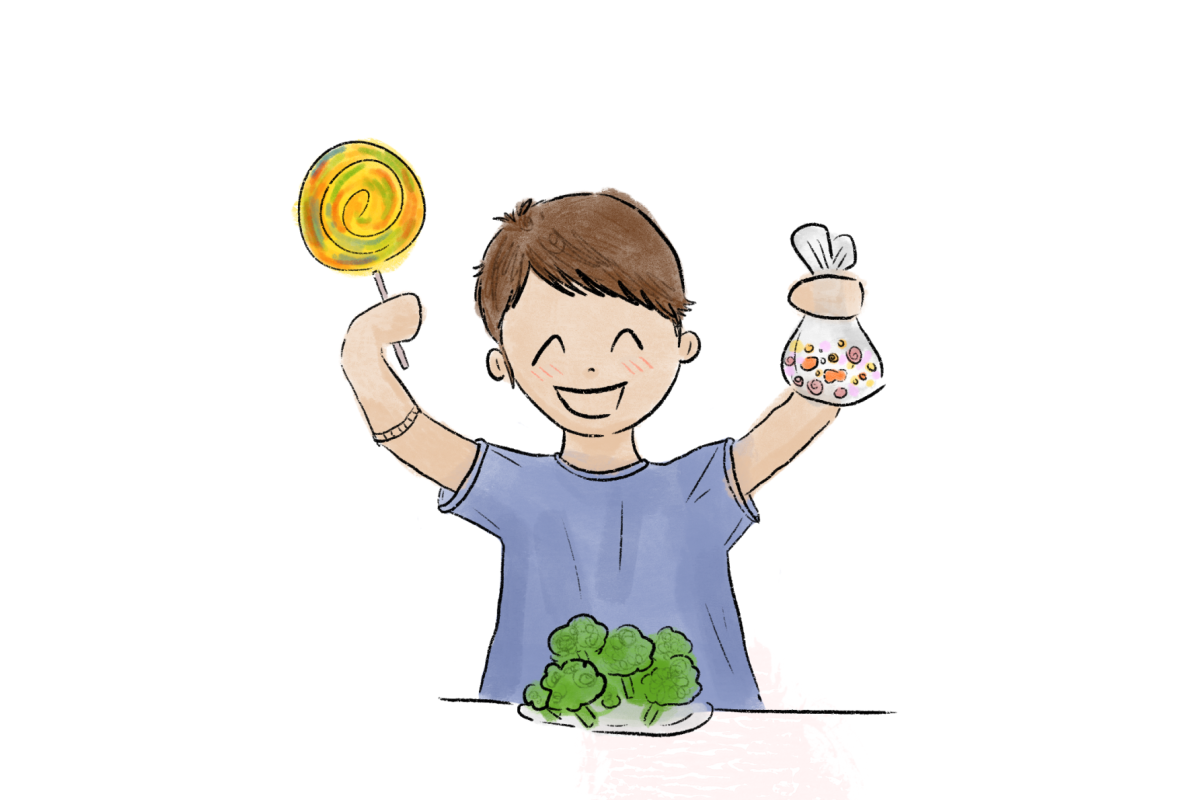
One time, they sat silently at the dinner table with their heads tilting and mouths in small, pouting frowns. With warm steam rising from the untouched, homemade meals in front of them, my siblings agreed they disliked the food even though they’d never tried it before. My parents, losing words and patience, resorted to giving them their favorite candy in exchange for eating dinner. Both glum expressions immediately shifted to cheeky smiles, to wide eyes and to full mouths. Every night for the next week, through meat and through sauce, that artificial sugar stuck to their teeth and lingered in their scents.
I’ve seen my sister score five baskets in a basketball game when she’s incentivized by a toy, then put in no effort a week later. I’ve seen my brother use his fork in exchange for Minecraft time one day, then use his unwashed hands to squish food into his mouth the next. I’ve seen each piece of candy, each new toy, each ten-minute-increment of YouTube time push aside other reasons to act. It’s clear that my siblings have the ability, but lack the reason to act until a reward is offered.
This does not happen only in my home. A survey of more than 100 Upper School students showed that two thirds of parents have used rewards as incentives for behavioral change, and many students actually believed these were ineffective because of the lack of long-term habits built despite the short term effects.
From a young age, the need for a prize in order to behave means we are conditioned to crave the reward. While this childhood system seems so distant from now, our expectation of external rewards has grown where our appreciation of internal rewards has shriveled. Although incentives can feel so meaningful by filling us with motivation and filling us with excitement, and at times filling us with success when they consume our time and our attention, in the end, they empty us of power.
In ninth grade, I started biking to school not because I wanted to, but because my parents told me I had to. I hated it. The first time I biked, I had to stop and rest multiple times on the way while my panting shushed my music and the cars into faded echoes. Then I had to bike again the next day, and the next and the next when it seemed pointless. About a week later, my parents had forgotten about their instructions, and I was free.
A few months passed, and I wasn’t doing any sports in the spring, so, one day, I decided to get back on two wheels. Not for my parents. For myself. It was hard, but as each pedal before had felt like one of weakness, each pedal now felt like one of strength. No one was pushing me from behind. With every movement coming from my own muscles, every burst of energy from my own heavy breaths, and every beat of my heart working harder, I felt more confident in myself and more determined than any time my parents had told me to bike. There are still times when I dread biking, but as I got consistent, it became less a chore and more a joy.
If we have no joy, then all we are is waiting. If we act because they say, then all we are is waiting. If we let instructions, incentives, permission lead, then all we are is waiting. Leave the waiting room. Open the door. Take the chance because you want to and not because you are told. Not because you are lured. Not because you got carried away. But because you made that decision. If you don’t, then what are you waiting for?