

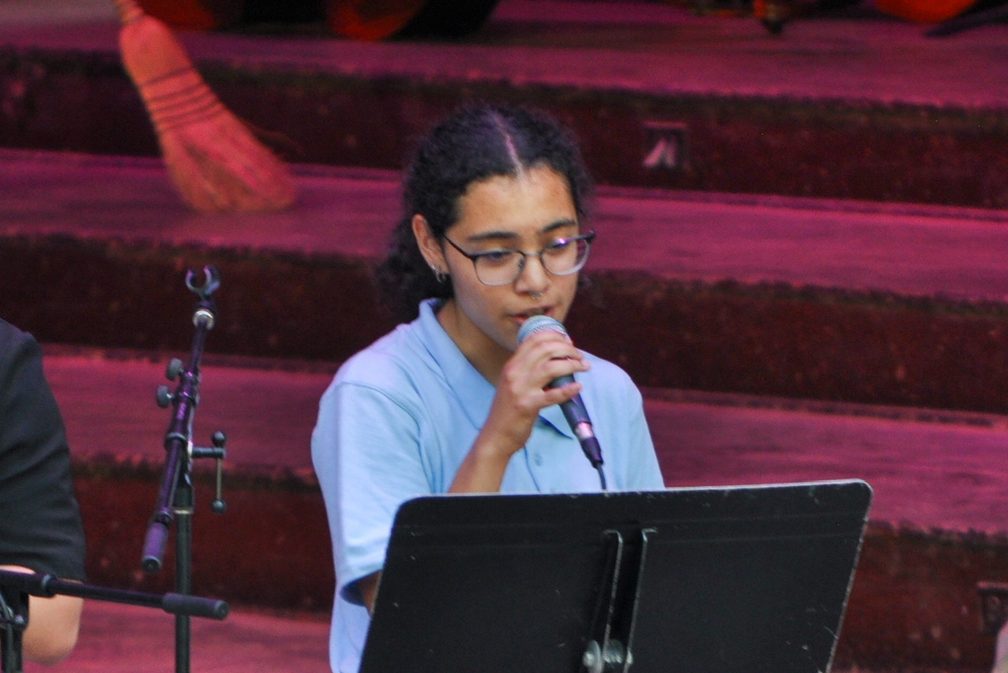


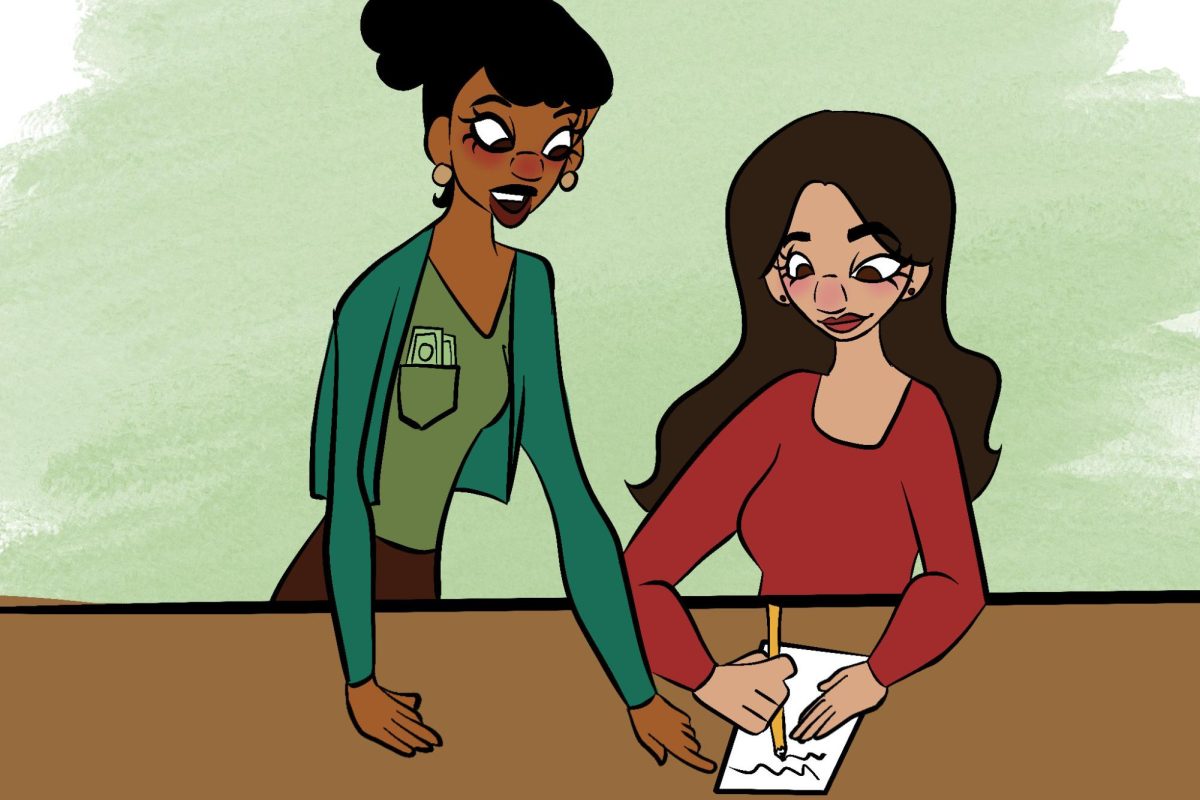
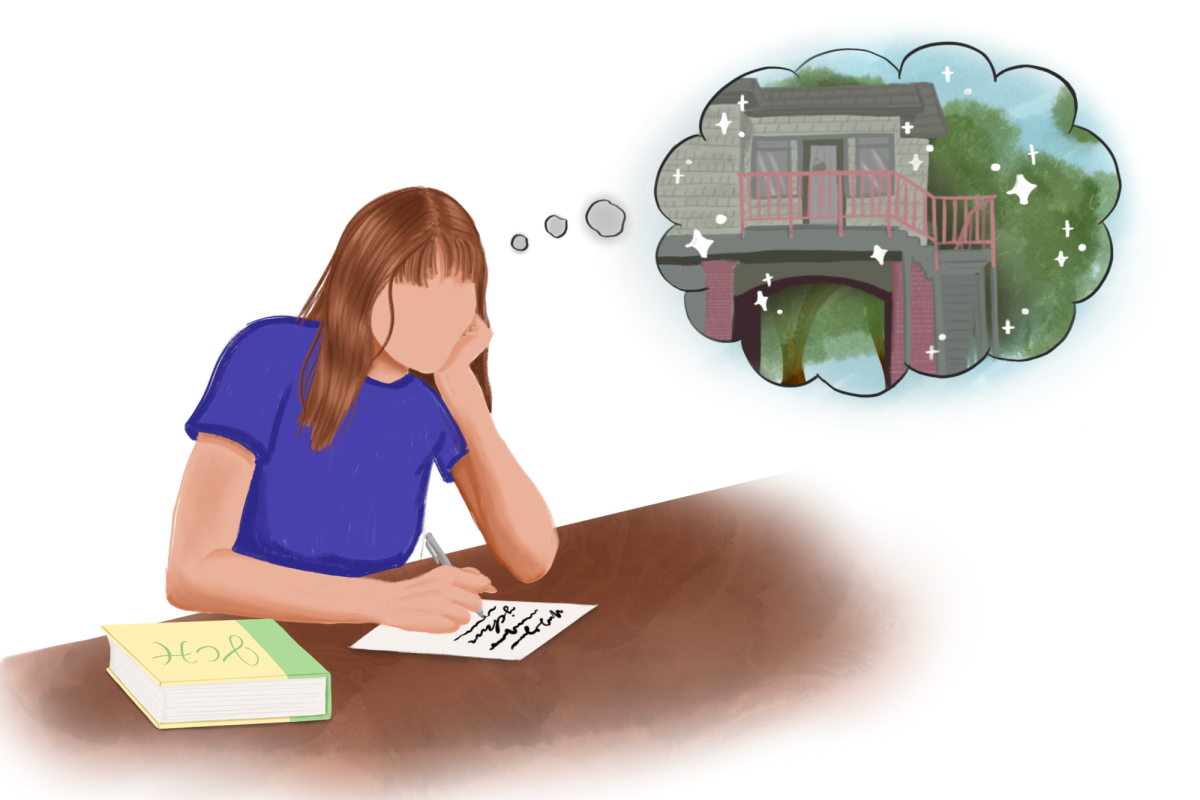

For those who attended Poly in eighth grade, you likely remember the highly coveted “lower-school block.” To fill in those who didn’t, the lower-school block gave eighth-grade students the opportunity to be a teacher’s assistant (TA) for a Poly Lower School class, with responsibilities ranging from teaching small lessons to grading work or supervising kids. I speak for many participants in saying that this was one of the most memorable and meaningful experiences of my eighth-grade year. Sophomore Natalia Lakoff attests to this, saying “Participating in the lower school block was an incredibly rewarding experience that has stuck with me to this day. Working as an assistant in a first-grade class was both fun and allowed me to develop responsibility and patience while fostering my passion for promoting education”. Poly has offered similar TA opportunities through programs like PolySummer, a summer program that offers a diverse array of courses in which Poly students can get paid to assist the main instructors.
Sophomore Maggie Tsay, who worked last summer, explained, “Working at Poly Summer taught me the importance of having fun with kids while also maintaining boundaries – it was a great learning experience”. These experiences are a reflection of the scientific correlation between teaching and learning, and we should extend this opportunity into the Upper School academic year as being a TA deepens understanding in a way few other experiences can. A 2018 study from the British Psychological Society tested 124 students who utilized various methods of studying: “In one group participants spent five minutes being filmed alone while they stood and delivered a lesson on the study material without notes.” The other groups used alternative methods of studying such as practice problems or teaching verbatim from a script. The study found that the group that had delivered the study material without notes outperformed the other groups. Being a TA requires improvisation and a genuine depth of knowledge in the taught subject, making the experience akin to giving a presentation without notes.
In a classroom setting, questions are unpredictable, forcing a TA to adapt in real time, which fosters an intellectual flexibility that not only strengthens mastery of the material but also strengthens communication skills when it comes to breaking down information. Being a TA also requires responsibility. When given this position, teachers entrust you with various tasks on which the functionality of the classroom depends, forcing students to be held accountable for their roles. A TA system would also be immensely helpful for our teachers. Poly is an incredibly rigorous environment, which is not only hard on students but also on teachers. Due to our fast-paced curricula, teachers may find it difficult to juggle many tasks.
According to a survey by the RAND Corporation, teachers work an estimated 53 hours a week—seven more hours than the average working adult. A TA system could alleviate some of the daily pressures teachers feel, reducing stress while also increasing instructional effectiveness. With assistants taking over menial tasks, teachers could maximize the time spent on more essential parts of teaching, such as individual feedback. Evelyn Barrientos, Chair of the World Languages Department and teacher of multiple Spanish courses, reflects, “A TA would be extremely helpful, as they could assist with making copies, collecting homework, distributing and organizing handouts, and other small tasks that would provide meaningful relief for teachers.” So, thinking about all the benefits that come with a TA program, we start to wonder how Poly might actually implement one. High school TA programs are not unprecedented, and there are various models that Poly could follow.
In essence, interested students should be able to apply to TA for courses they have previously completed successfully with a letter of recommendation/statement of interest. Once selected, the role could feature a variety of tasks: those already mentioned as well as digital work. Poly could also consider a cross-divisional program in which upper-school students could assist Lower/Middle school classes. In addition to the core benefits of a TA program, a system such as this could strengthen bonds across divisions. Many students enjoyed the Lower School Block because it fostered mentorship, plus a full-circle moment of returning to past teachers/classrooms.
Poly has already shown that students are capable of acting as TAs through smaller-scale programs like lower school block, peer tutoring, or PolySummer, creating a foundation for the genesis of a structured and accessible TA program in the academic year. All while fortifying the learning environment, students would be given a meaningful opportunity to develop skills and serve their community.