




















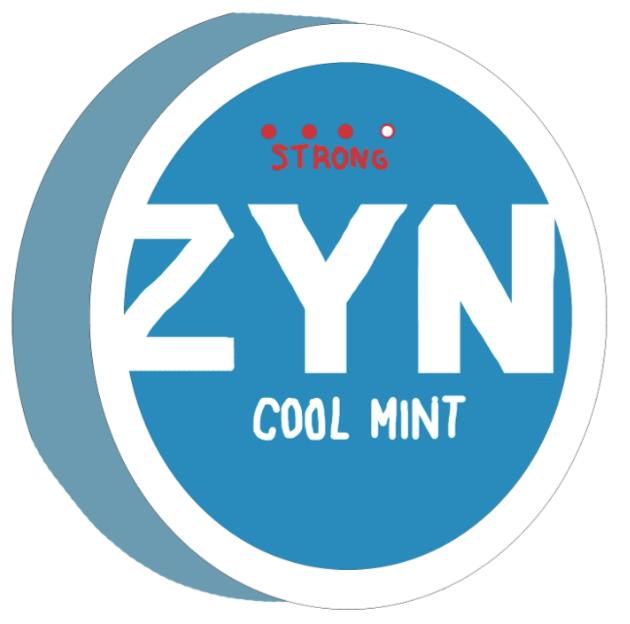
We all know you’re going to be gumless and lungless if you keep doing Zyns and vapes, but aside from health consequences, nicotine’s social and academic implications seem to be a major benefit for students… or so they are led to believe.
While cigarette use has declined among teenagers (barring the occasional performative smoking photo), a new trend has taken over our age group. Vapes––sleek electronic devices that heat flavored liquid nicotine into an inhalable aerosol––have been fixtures of adolescent life for years now, cycling through trends from the early dominance of Juuls to the neon-colored surge of brands like Flum and Geek Bar. Zyns, by contrast, are a newer arrival: small white nicotine pouches tucked discreetly between gum and lip.
Walk through any school bathroom or Saturday night party and you’ll see how thoroughly these products have embedded themselves into students’ lives. According to the FDA’s 2024 National Youth Tobacco Survey, about 1.63 million U.S. middle and high school students currently use vapes, making them the most commonly used nicotine product among teens. Meanwhile, nicotine pouches, especially Zyns, are rapidly rising behind them, now the second-most used nicotine product among high school students, according to CNBC.
Poly is not immune to this nicotine epidemic. I’ve seen friends reveal vapes from their pockets as soon as the lunch bell rings, and I know several classmates who rely on Zyns to get them from first to second block.
While all students interviewed for this article requested anonymity, one senior said, “Sharing my vape with friends during lunch or at a party can honestly be a really bonding experience, and I feel like it plays a big role in a lot of my social interactions.”
In many ways, these products have become a cornerstone of how we form and sustain friendships. So, who wouldn’t want to try them, especially when most Poly students who consume these products do not truly grasp the consequences?
A junior confidently explained, “With Zyns, I honestly don’t see downsides. I think they’re healthy, with positive benefits and no real negatives.” They added, “It’s like the same as drinking herbal tea, and everyone should try before passing judgment because it is truly revolutionary and perspective-changing.”
A senior shared similar thoughts about vaping, reflecting, “At first, it was more of a social thing, but as I kept using it, I found that it really relieves my anxiety. It’s kind of like an anxiety pen—it’s just there when I need it. I usually do it at lunch, especially if we’re off campus.”
Another junior added that nicotine boosts their academic and athletic performance. They commented, “I’d say I use [Zyns] to lock in for school. I think it makes me more creative and helps me think in new ways. It puts me in a different mindset, especially for writing, where I can come up with more unique perspectives.” They also observed, “I think my points per game in sports go up.”
Many students are drawn to Zyns for their supposed athletic benefits, yet a study conducted by The Professional Footballers’ Association and Loughborough University in England debunks this motivating factor: “Importantly, the study showed that most players had not received information or education about using nicotine pouches. This is a challenge for the game given the side-effects and difficulty experienced when trying to quit reported by players,” commented lead researcher Daniel Read from the Institute for Sport Business at Loughborough University.
Even though many of us believe that these nicotine products are less harmful than cigarettes or even not harmful at all, their alleged benefits are often illusory. A junior with ADHD admitted that Zyns don’t even help him academically: “My brain starts to race, and I can’t put my thoughts together.” They clarified, “Socially, I feel like it helps, but academically it doesn’t.”
Their feelings about the product are scientifically supported, as nicotine can interfere with medications for anxiety, depression or attention disorders, meaning the very students who might seek nicotine out for relief could actually be undermining their mental health treatment. In fact, nicotine actively disrupts the function of this student’s ADHD medication because these medications often modulate the same neurotransmitters—dopamine and norepinephrine—that nicotine targets; and when these brain pathways are already stabilized by prescription drugs, the acute, sharp stimulant effect of nicotine is reduced or masked, according to a PubMed article.
Nicotine is highly addictive, and young people can become dependent very quickly. Soon after regular use begins, they experience withdrawal as soon as they stop, which traps them in the vicious cycle associated with substance abuse. What many students interpret as relief or improved concentration is often just the temporary easing of withdrawal symptoms rather than a real cognitive boost. And because nicotine is a stimulant that directly alters neurotransmitters and reward pathways, it causes the brain’s communication system to break down, which can lead to significant, long-lasting and often negative impacts on mental and physical health.
Despite the large volume of evidence debunking myths about Zyns and vapes, students still regularly consume these products, believing they are using a “healthy” alternative. The reason for these inaccurate beliefs is largely a lack of education on the topic.
Upper School Human Development Teacher Stephanie Monteleone explained, “Modern vape and nicotine pouch companies are often connected to major tobacco corporations from the 20th century. These corporations were involved in covering up scientific evidence about harm and engaging in deceptive advertising for decades. After whistleblowers exposed these practices and companies faced financial consequences, they shifted strategies, contributing to the rise of vaping and other nicotine delivery systems. These products are often marketed in ways that make them appealing, discreet and flavored—features that are particularly attractive to young people.”
Rather than warning their customers, big tobacco companies resort to calculated marketing, a key factor in the popularity of Zyns and vapes. In an article published by the Yale School of Medicine, Grace Kong, associate professor of psychiatry at Yale School of Medicine, shared, “Kids today are spending a lot of time on social media, and they’re getting exposed to a significant amount of inappropriate content, including tobacco promotion.”
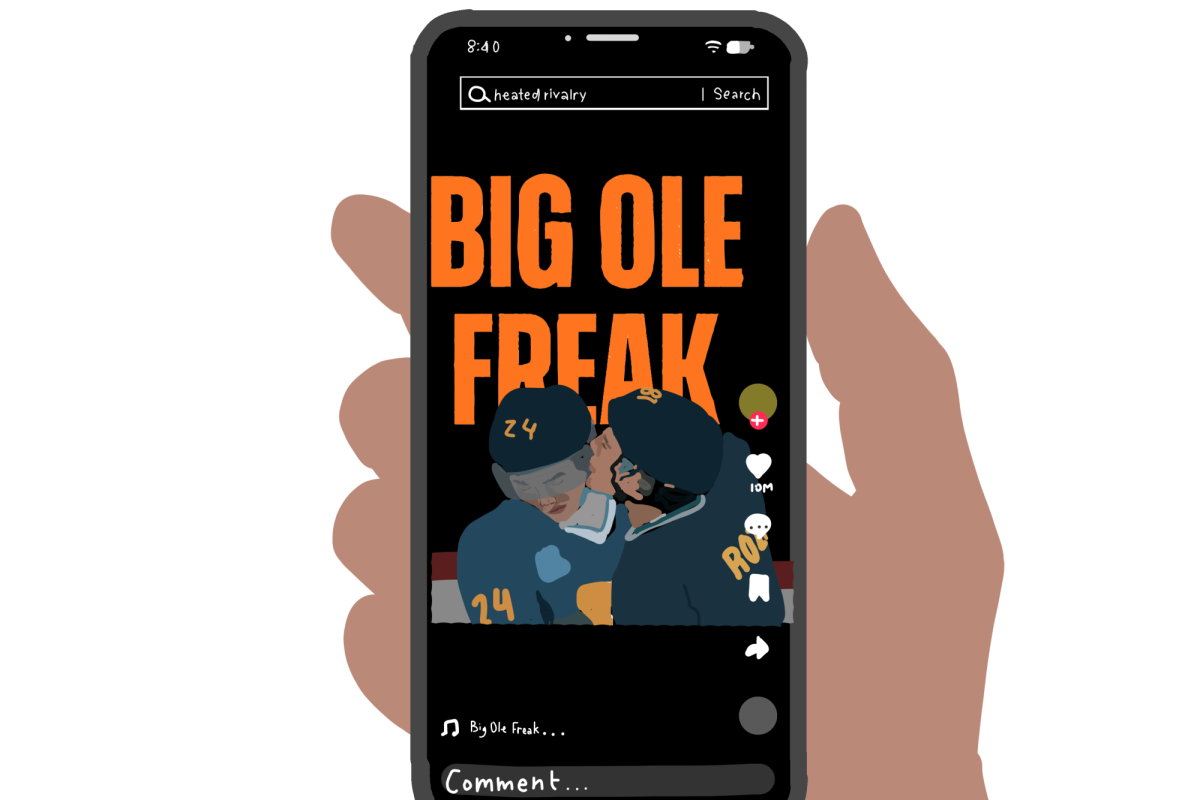
Much of the online rhetoric surrounding vapes and nicotine pouches frames them as healthier alternatives to traditional smoking, a narrative that feels reassuring but deserves skepticism. Even hit TV shows like “I Love LA” portray characters casually hitting their vapes in a “cool” fashion, which is then seen all over short-form media apps like TikTok. These vaping highlight reels are slowly replacing the old popular TV show clips like the “iconic” scene from “The O.C.” where Marissa and Ryan, two main characters, share a cigarette in the show’s opening episode. Vapes and Zyns are trying to be the new cigarette, “cool and casual,” and social media is just quickening this replacement.
The brain forms patterns: spending time with friends plus nicotine equals feeling good. Later, engaging in those same activities without nicotine can feel like something is missing because the brain expects that reward trigger. Adolescents are especially vulnerable because their brains learn quickly and strongly associate pleasurable experiences with substance use, making it harder to separate social bonding from nicotine. When something addictive becomes social currency, it stops feeling risky and starts feeling necessary, which makes its harms easier to ignore and its grip harder to break.
One of the juniors I spoke with admitted that the discretion of vapes and Zyns is part of the appeal. “If it was obvious and I’d get caught, I probably wouldn’t use them at school, ” they said.
Since students are not concerned with getting caught, they can only be dissuaded by consequences to their academics or health. The long-term academic consequences aren’t dramatic in a cinematic way––they’re subtle, manifesting in withdrawal headaches and irritability. One sophomore shared, “I noticed that when I was vaping, it gave me a lot of headaches and fatigue throughout the day at school.”
High school is supposed to build discipline, reliance and true cognitive stamina. Instead, we practiced chemical shortcuts. Instead of acknowledging Big Tobacco’s targeted marketing strategies that conveniently make it easy for teenagers to hide their use of nicotine, students see minimalism. Instead of seeing all of the academic disadvantages, students see a way to “lock in.”
Monteleone emphasizes, “When I teach about drugs, I try to move away from simply saying ‘drugs are bad,’ but when it comes to nicotine in young people, there is no scientific evidence suggesting benefits that outweigh the risks. There is no compelling reason for adolescents to start using nicotine, and the long-term consequences—especially addiction—are deeply concerning.”
Nicotine is not a healthy food that will optimize your GPA or improve your free-throw percentage. It is a stimulant engineered to hook developing brains.
And while students insist they’re better off using these products, the reality is much less glamorous: most nicotine use in the form of Zyns and vapes comes from being undereducated or even uneducated about its consequences. Instead, they’re being flooded with marketing that makes addiction look cool.
The performance is convincing, but only when science is ignored or hidden.