




After four crucial years of high school, students gain a greater sense of independence and hopefully graduate as freethinking young adults. However, while many teens are familiar with basic historical events, a significant portion of America’s youth is severely undereducated or even miseducated about current affairs, on both a local and global scale.
Most high school programs avoid teaching top contemporary issues from our news headlines with primary sources. This norm prevents students from becoming civically engaged, developing media literacy skills, and becoming informed voters. For these reasons, current global events must be emphasized and taught within high schools. Within Poly history classes, we primarily focus on events from the 18th, 19th, and 20th centuries.
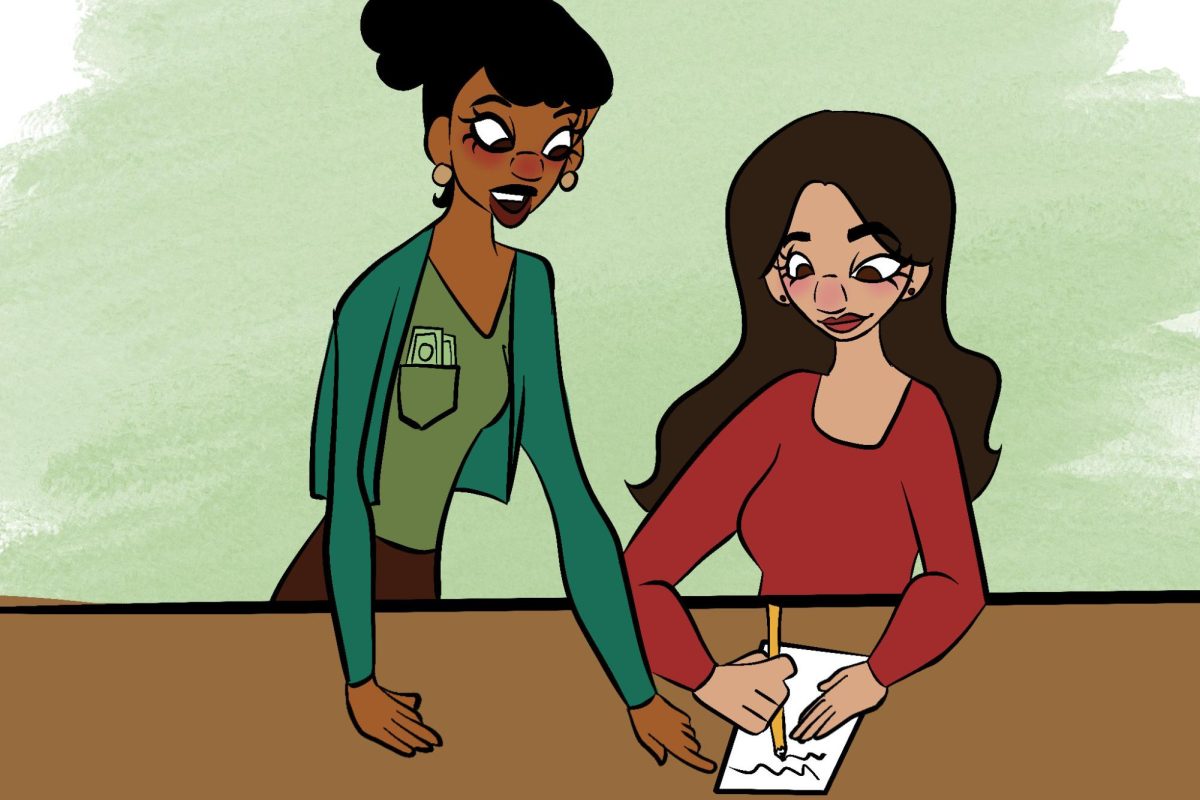
History teacher Alex Melonas, who teaches three sections of Perspectives on World History, explained why the history curriculum focuses on past events: “One reason is that conflict today reflects the shape of the political, economic, and social conditions of yesterday.” This is an important distinction to make; there is no clear line between past and present. To understand contemporary issues, you must first understand the events that created those circumstances. Our history classes at Poly do an amazing job of providing the necessary historical context for students to better understand current issues. Melonas said, “Students in ‘Perspectives’ are being prepared to understand right-wing populism in the U.S., they are being prepared to understand what just happened in Venezuela, they are being prepared to understand what is happening in Gaza, and so forth.” However, teens will not be able to use this knowledge of the past to navigate the present if they’re unaware of the world around them in the first place. While numerous history courses at Poly draw parallels to current issues, we rarely take a deep dive into the numerous issues in today’s headlines. Instead, we assume that all students have the incentive and access to explore primary sources and reputable journalism in their own time.
However, that is not the case.
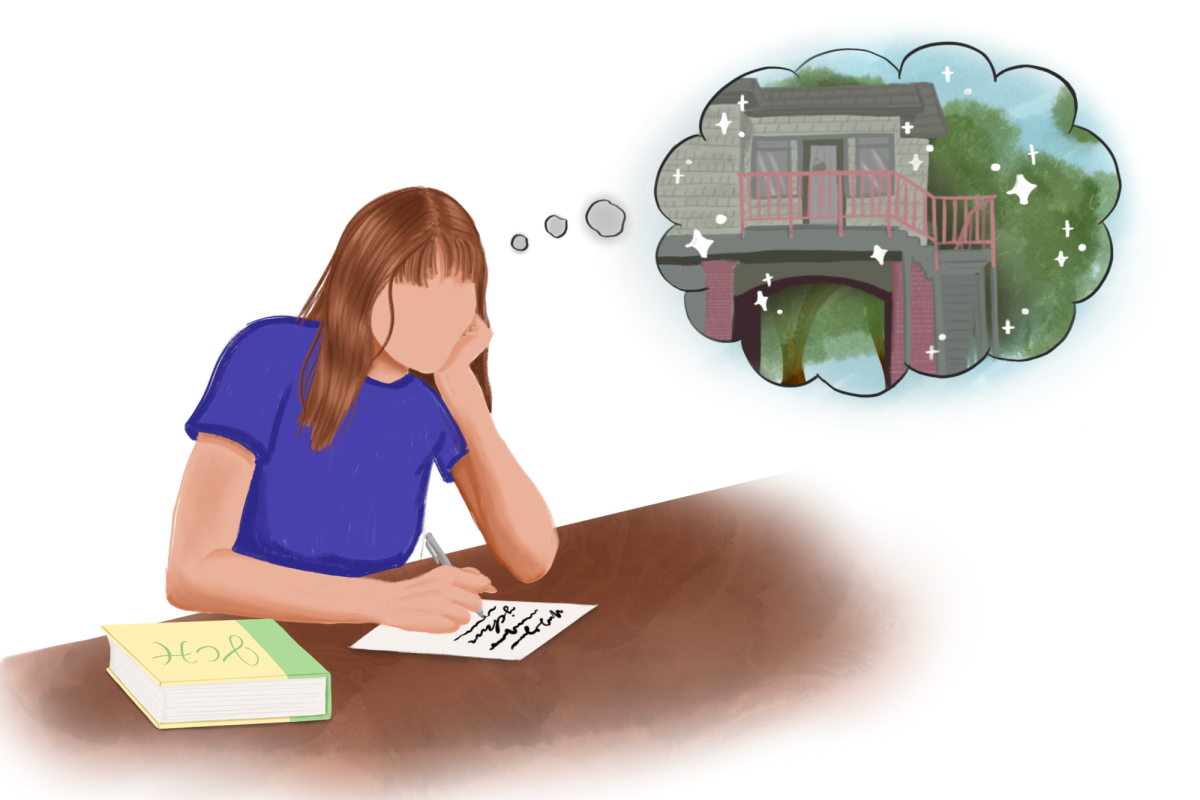
A 2024 study by the News Literacy Project found, “An overwhelming majority of teen news consumers (83%) say they get news on social media such as YouTube, TikTok, or Instagram.” Today, social media apps are rampant with misinformation, cherry-picked content, and––more recently––artificial intelligence. When youth rely on these platforms as their main sources of information on global events, their scope of the world is tainted by falsehood. Unfortunately, it’s a lot easier for a teen to click on a flashy 15-second video than to read a primary multi-page article on the same issue. When sophomore Karina Kim was asked about where she gets the majority of her news and why, she responded, “I get most of my news from my parents, and I feel like the same is true for a lot of students—people are likely to follow whatever their family tells them.” As important as our families’ opinions are, absolute reliance on parental views prevents youth from developing their own independent voices. Parents and family members often hold strong biases, whereas classroom learning can foster a more moderate perspective on worldly issues. This form of education prioritizes the autonomous aspect of youth civic engagement.
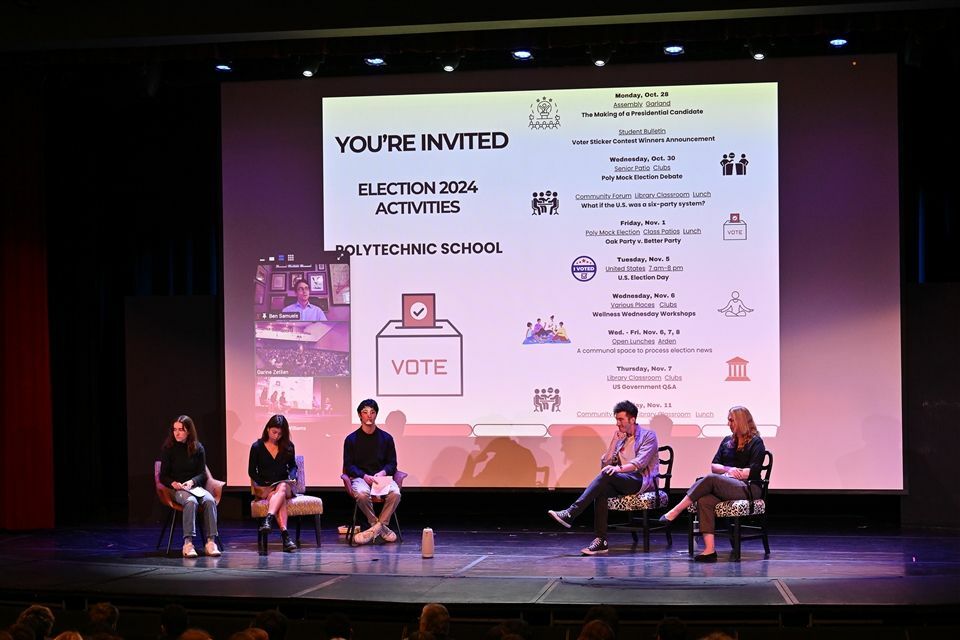
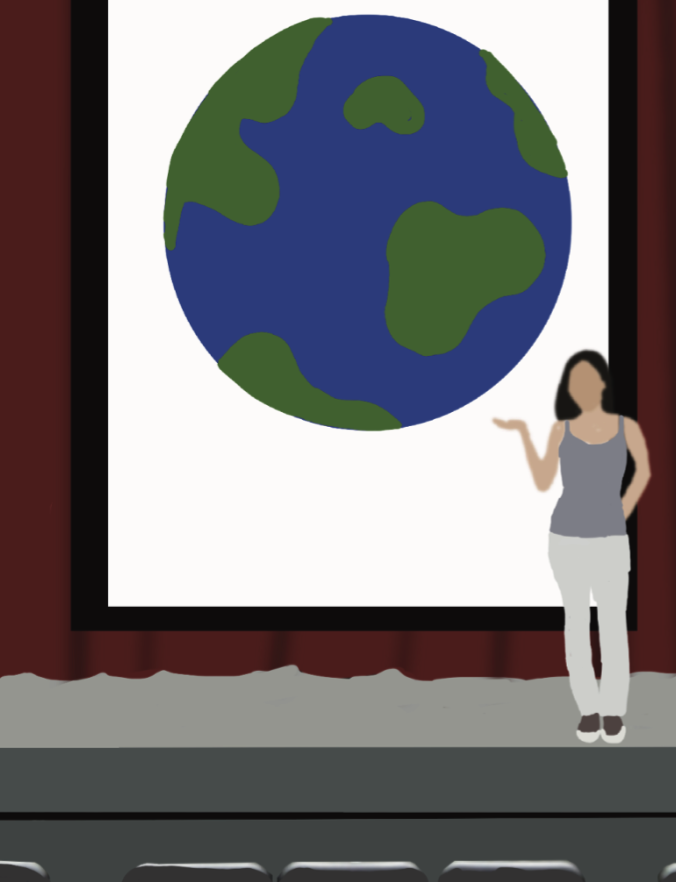
Within our Upper School, there are a few possibilities to mitigate this problem; one option could be dedicating a segment of our regular Morning Meetings or assemblies to a short news update every week. Advisory could also be an opportunity for students to explore current news in a classroom setting. Additionally, we could expand the Global Scholars program, which spends extensive time exploring current events, to the entire student body rather than only select seniors. Not everyone is able to go on PolyGlobal trips or host students, which are requirements to participate in the Global Scholars program; therefore, we should make the Global Scholars initiative more readily available for all students. We could modify the program to have different degrees of being a Scholar so that all students are able to engage with international issues without limitations.
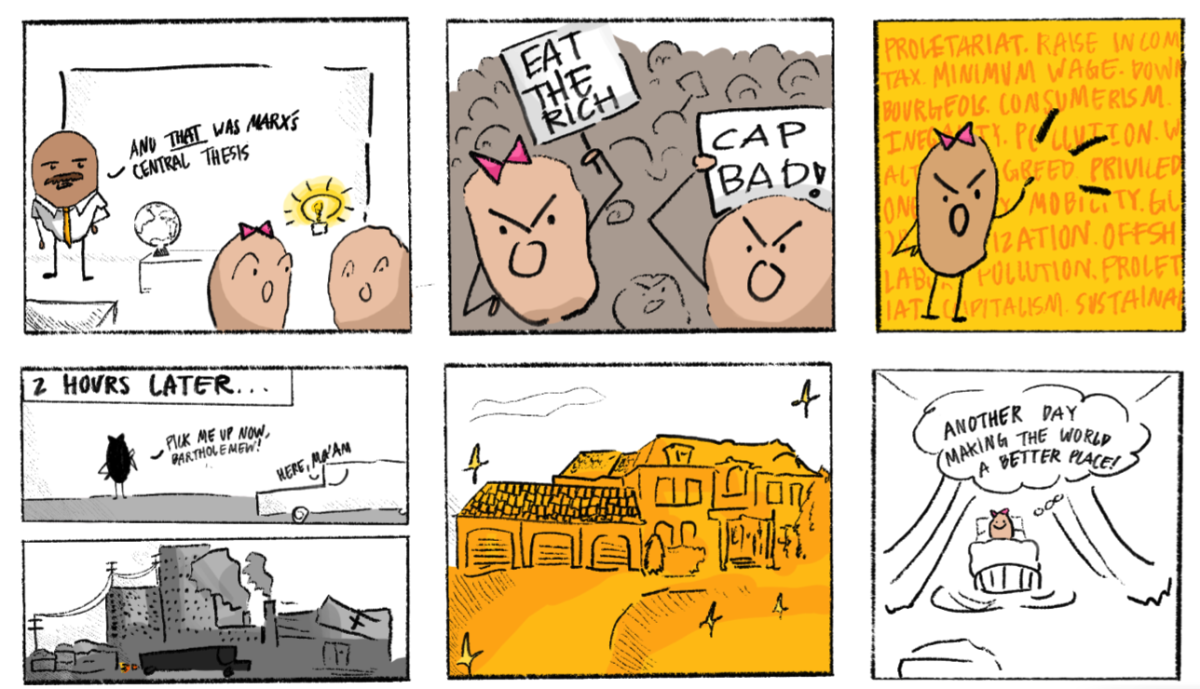
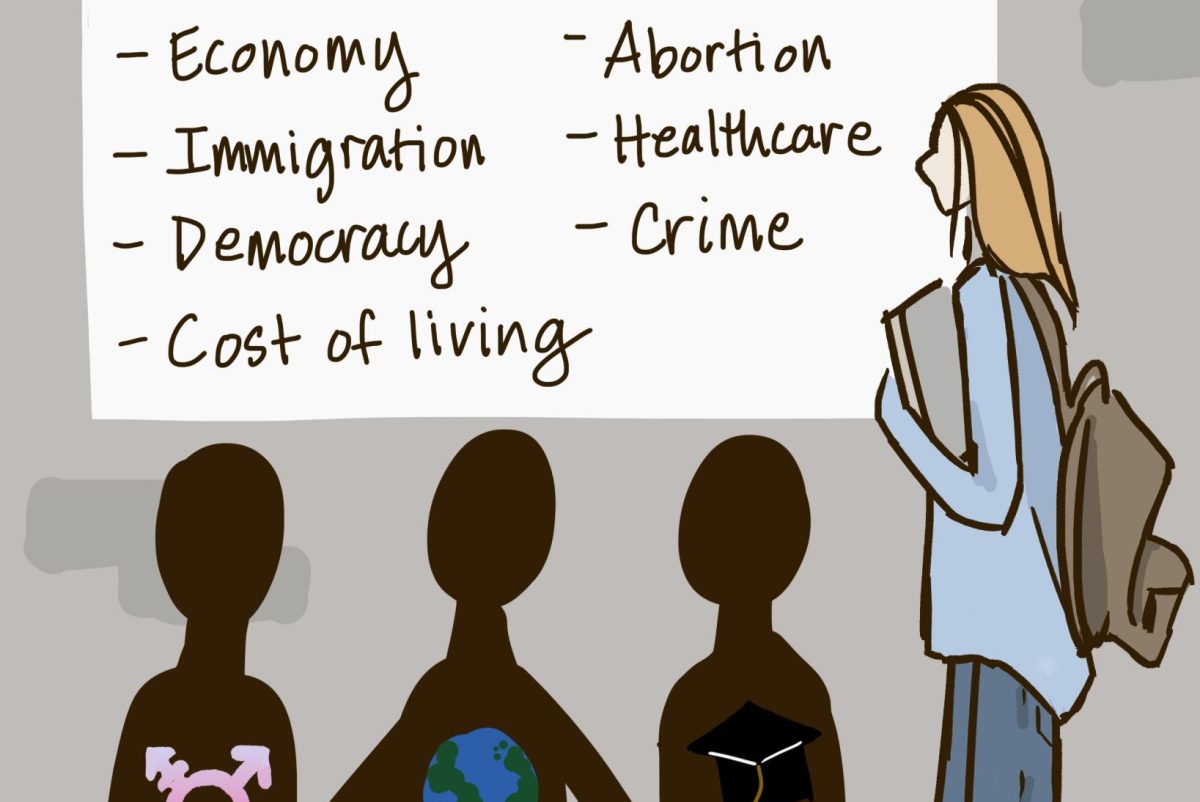
These proposed solutions could be the key to better familiarizing students with current events and giving them the opportunity to utilize the tools they already have from Poly history classes. One reason why some high schools avoid discussing current events is because of the political polarization in our country; American political parties are more divided than ever, with clashing perspectives on everything from the Israel-Palestine conflict to immigration to reproductive rights to tariffs on China’s imports. This polarization dissuades teachers from discussing politics in their classrooms out of fear of angering students and their families and possibly facing career repercussions.
Unfortunately, this reluctance creates a climate in which students do not learn about current conflicts, near and far, that affect real people in our communities every day and are crucial to students’ understanding of the ever-changing world around them. Teachers, though, can guide students to explore issues, even those that are sensitive or politically divisive, by presenting factual primary information and cultivating a respectful environment in which students can discuss these topics among their peers. By having these conversations early on, students prepare for the realities of adulthood, where they must navigate sensitive topics and respect the opinions of others. Furthermore, education on modern issues is crucial to increasing youth civic engagement. By fostering awareness of present issues, more teens will be encouraged to speak out and voice their opinions. Specifically, if more young adults are aware of the political climate, they will be more likely to engage in the democratic process as educated voters.
According to a national survey by KFF, a non-profit research organization, only 48% of Americans aged 18-24 voted in the 2024 presidential election, compared with 75% of those aged 65+. Through youth civic education, we can empower young voters and create a more inclusive democracy that truly represents its citizens’ needs. On top of that, civic education ensures that young voters have the resources to make the best possible decisions for themselves and their country, rather than letting older generations make those decisions for them. Bringing light to current issues opens up doors for curious students to dive deeper and take action.
Poly can be a leader and start carving out dedicated time to educate students on current events and issues. Merely encouraging teens to be civically informed and engaged on their own isn’t enough; we must prioritize teaching these issues in school since they are essential to the next generation of young adults who will eventually shape our world.