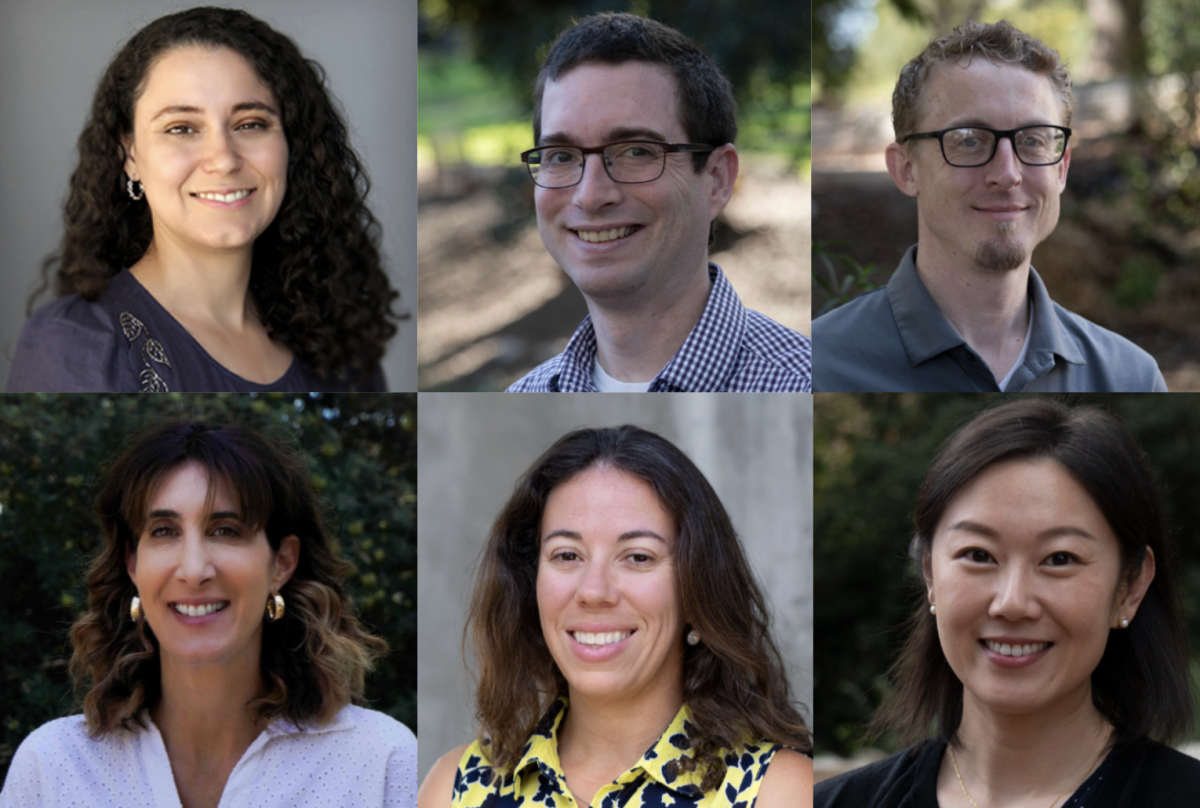






The PolyGlobal trip to Cambodia during spring break gave students a chance to explore history, culture, and resilience in three cities: Kampot, Phnom Penh and Siem Reap. Accompanied by Upper School math teacher Amber Bocquin, Upper School photography teacher Manjari Sharma and Upper School performing arts teacher Sam Robinson, students engaged with local communities, learned about the Khmer Rouge era and experienced the country’s path to building arts and culture after the genocide. This is the program’s second time running a Cambodia trip, though PolyGlobal had sponsored two trips in previous years to both Cambodia and Vietnam
Freshman Malena Zamora, who went on the trip, shared, “The Cambodia trip had three major objectives: to show us the triumph of the human spirit, how the arts and entrepreneurship have helped regenerate Cambodia’s community and to remind us of responsible tourism.”
Throughout the trip students had the opportunity to engage in community service. In Kampot, they worked on mangrove restoration and explored cave temples. In Phnom Penh, they visited historical sites, including the S-21 political prison and the Choeung Ek Killing Fields, where around 20,000 Cambodians were executed by the Khmer Rouge. In Siem Reap, students visited Angkor Wat, helped build wheelchairs and talked with Cambodian students at PEPY, a school focused on providing local teens with education and job readiness.
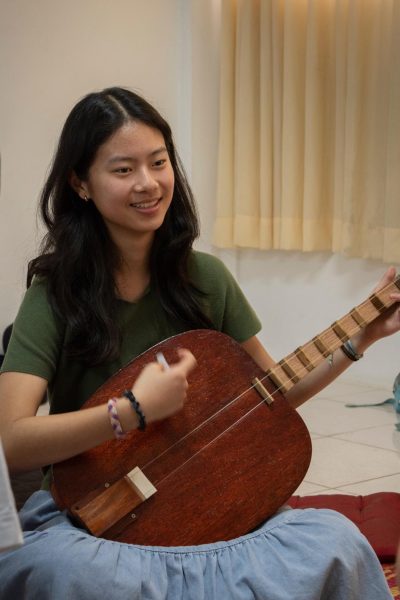
“Experiencing the culture of the Cambodian people came through an arts lens,” explained Upper School Performing Arts teacher Sam Robinson, who chaperoned the trip. “We learned a lot about how they are trying to restore the art there because it’s historically important.” In that vein, students had the opportunity to participate in dance and music workshops as well as watch a circus performance.
The group worked closely with Cambodia Living Arts (CLA), an organization dedicated to reviving Khmer culture through arts fellowships, music festivals and lessons with master artists. The Khmer Magic Music Bus is one initiative run by CLA that uses live traditional music to connect rural Cambodians with their culture and history.
“My favorite moment was when we were in a village with the Khmer Magic Music Bus team,” shared sophomore Ryan Kim. “The Cambodian artists performed several songs with traditional instruments, and we sang ‘Call Me Maybe’ and ‘Party in the USA.’ It was amazing to see how music brought all of us together — from different countries, backgrounds and ages.”
Students highlighted the resilience of Cambodian culture in the aftermath of genocide. Sophomore Ashlyn Motley said, “One thing that stood out to me was the positive vibrancy of the Cambodian people and culture. The way that the community and generations connected to reconcile and preserve the past was remarkable.”