What makes someone “smart”? Is it the originality of their thoughts, or is it the sheer breadth of their knowledge?
This question came to mind when I was mindlessly doomscrolling one evening. I stumbled upon an aggressive and proud TikToker wrestling with the idea that if scientific discovery is inevitable, then it must be less valuable than other forms of human accomplishment.
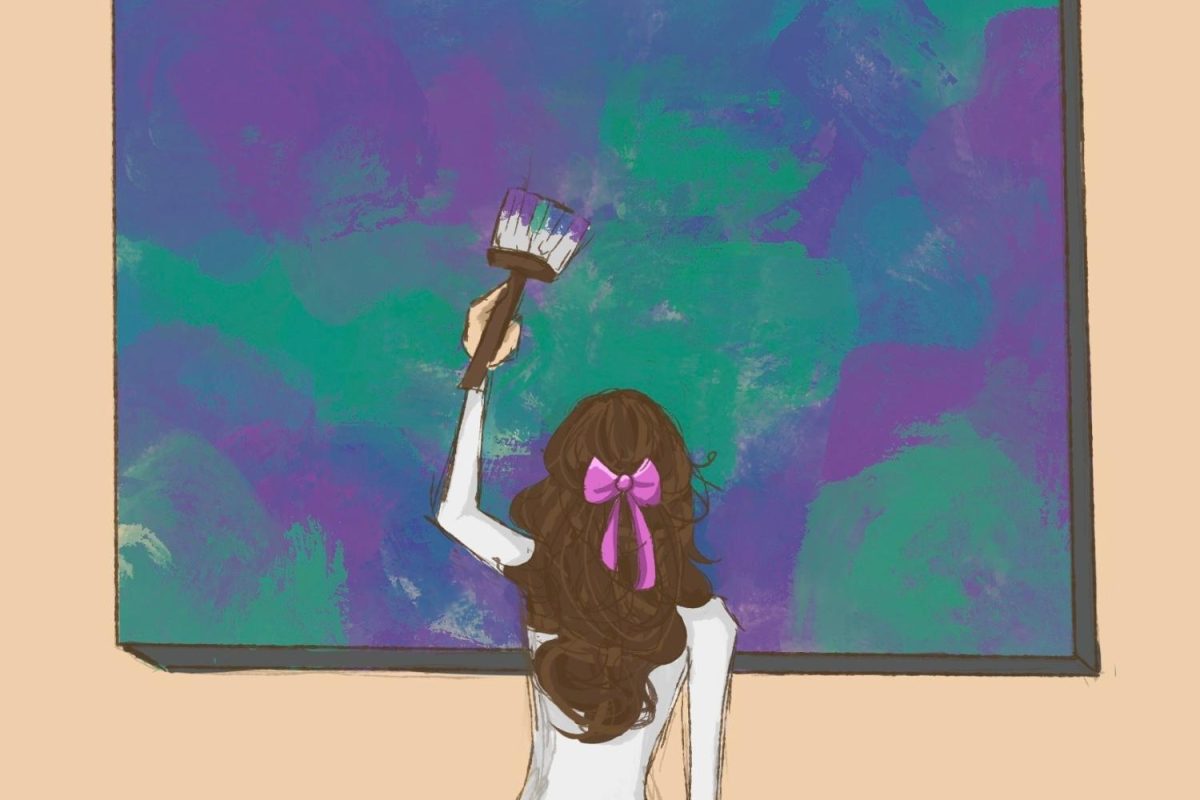
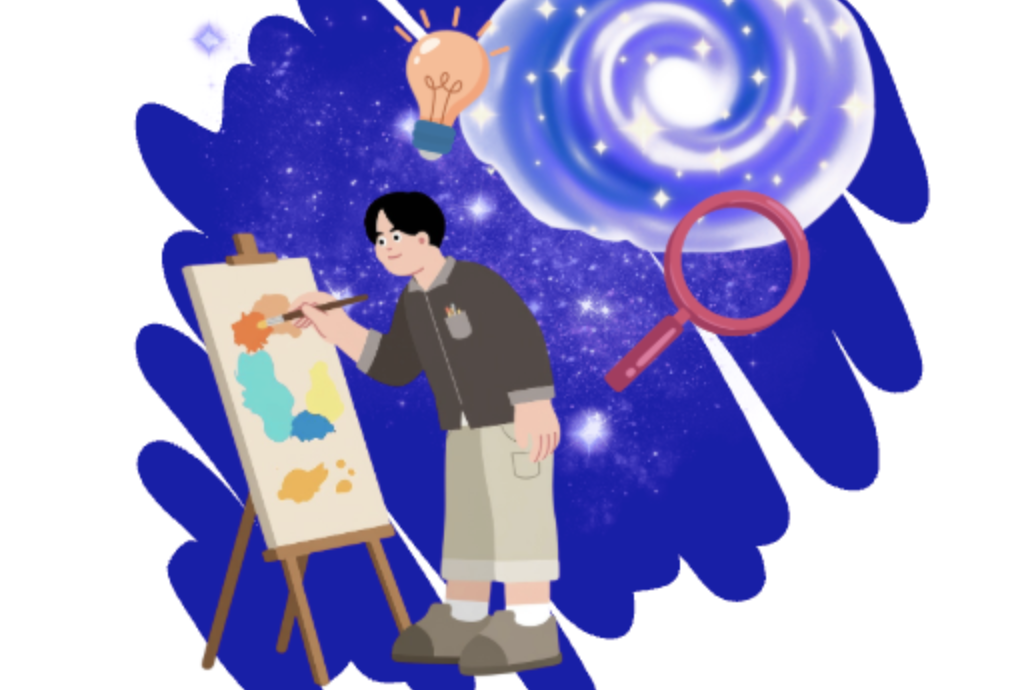
The idea goes: If Issac Newton had not discovered gravity when he did, it would have eventually been discovered by another tree-loafing individual. On the other hand, if Van Gogh had never painted Starry Night, the masterpiece we have today would likely never have existed. Thus, art and creativity have more innate value than more objective fields. Obviously, this crude analysis of one of the world’s greatest scientific minds and a subject that has significantly advanced society is flawed. Indeed, Newton, along with numerous other scientists, required intellectual creativity to develop such novel ideas.
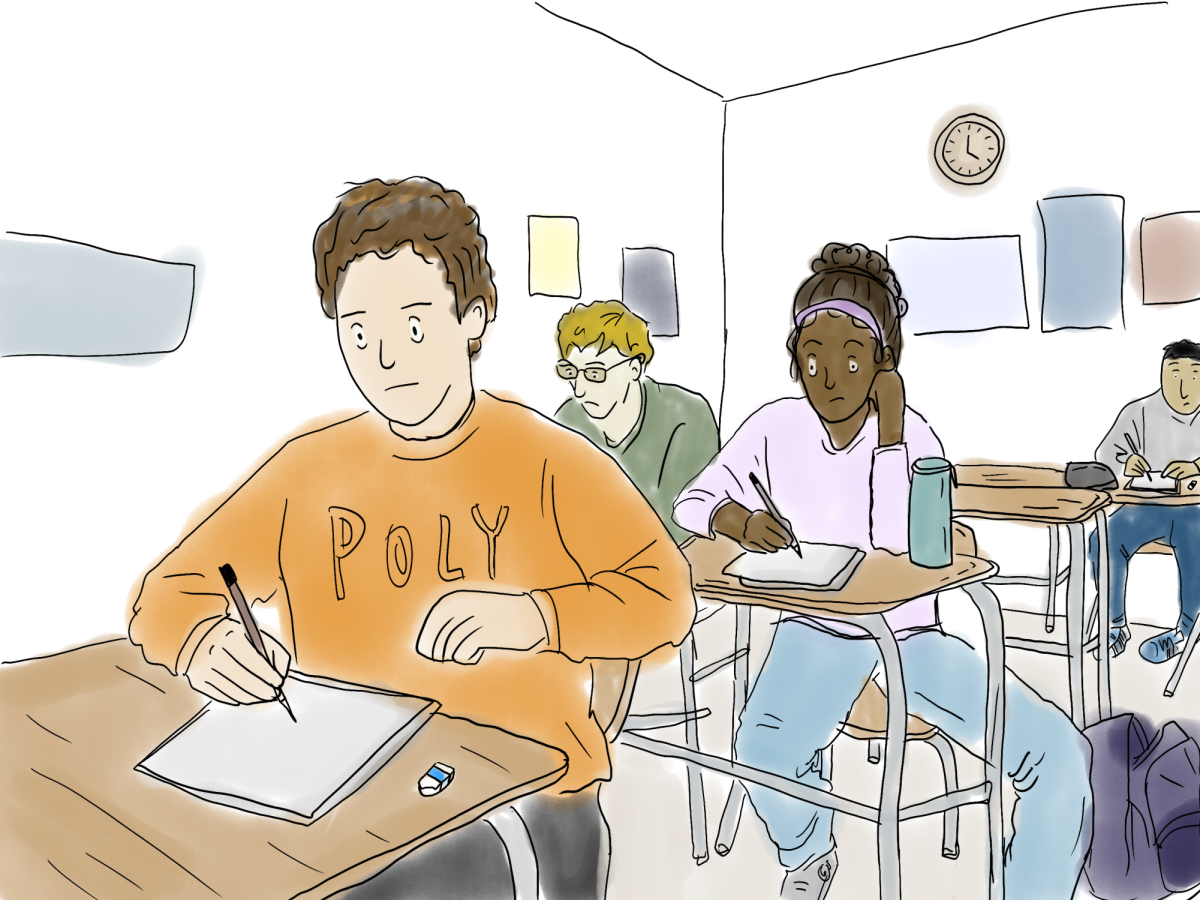
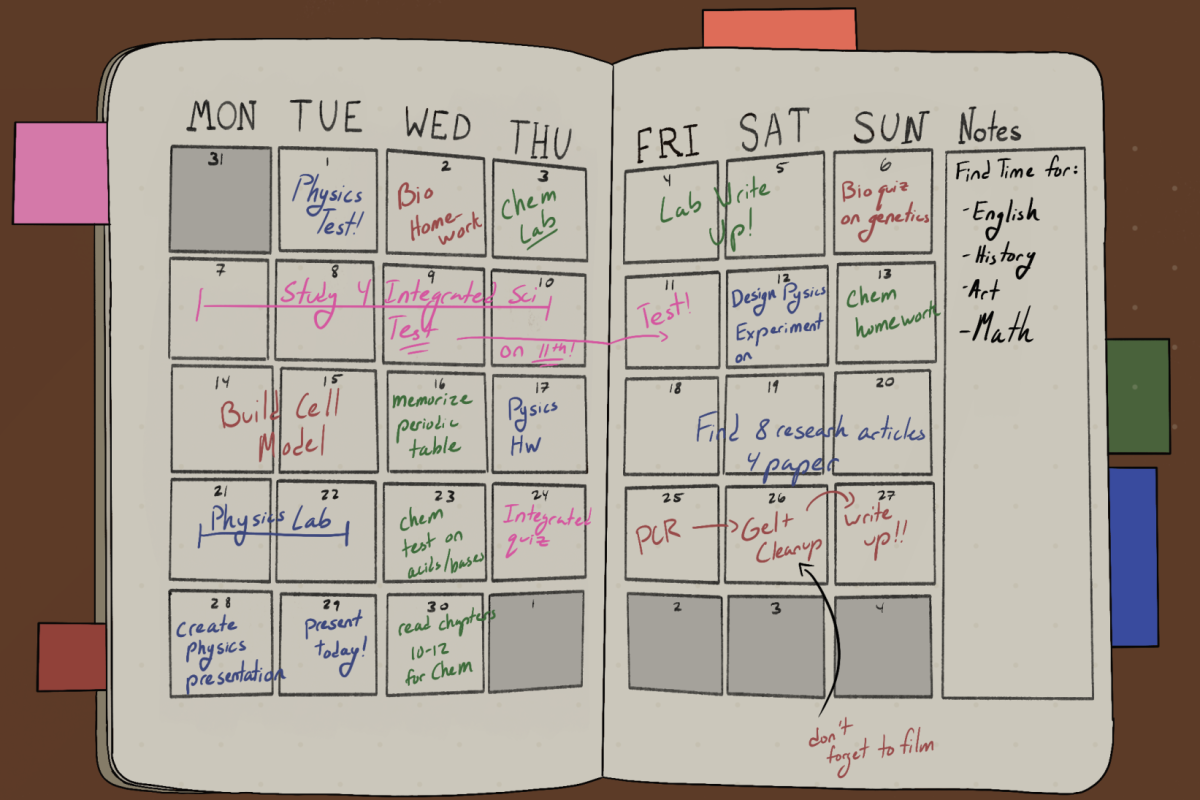
While I disagreed with the TikTok, it made me think of the dichotomy between science and art, specifically in educational settings. The current education system for science is built around teaching students to study and memorize material rather than think differently. Have a big biology test tomorrow? Just memorize the name and function of each organelle, and you will succeed. And that applies well beyond just biology. Often in society, the smartest in the room is recognized as the student who can memorize the most material or apply formulas exactly as instructed and, thus, is rewarded with a pleasing score. But what is truly valuable? Should we value knowing the most or taking the time for creativity? This question is even more prevalent amid advances in artificial intelligence.
Right now, it is vital to emphasize original thought over the historically important skill of “just knowing a lot.” Previously, knowledge was power because it was conserved in libraries or in expensive university classrooms, inaccessible to the average person. Lawyers knew the law, doctors knew healthcare and accountants knew how to interpret numerical values. These skills were only attainable through the difficult years of study and memorization. But now, most middle schoolers with a cell phone in their pocket and a ChatGPT account can do rocket science math that would have taken the genius NASA scientists of the 1960s years to complete.
The old-school skills of knowledge retention and calculation are becoming dated as technology becomes more accessible, as illustrated by the fact that students can rely on these tools to complete almost all their school tasks. In the next hundred years, students won’t go to college to learn how to go through the motions of a calculation: AI will dominate this sector. But students will have to learn to think critically and be original to discover the best way to apply our technological means. Just to clarify, I don’t think we should simply give kids a ChatGPT subscription and stop teaching math and science. But there does need to be a greater emphasis on originality. AI chatbots can never replicate what Van Gogh did: not the act of dramatically cutting off one ear and sending it to his girlfriend, but the way he transformed even his personal struggles into art. Even though he has an admittedly poor taste in apology gifts, you can never say that Van Gogh wasn’t original. Or we can look at what Newton did: spend months, even years, trying to understand the world of science. Look at the result of both of them: their work reached millions and lasted far beyond their time, creating ripples that have spread to thousands of cities. That would certainly never be possible with just memorization or competing to see who can finish the test quicker.
Picasso said, “Every child is an artist. The problem is how to remain an artist once we grow up.” Maybe it’s almost impossible to stay original when systems always tell you there is only one right answer, and you have to find it in already established ideas.