

















Poly is known for offering rigorous courses across all subjects, from the humanities to STEM to the arts. And while many students want to prioritize science and pursue this field, Poly does not advertise itself as strictly a science school. In fact, the word “polytechnic” means the study of many disciplines. Yet in the Upper School an extra hour of class is allotted for science classes through the addition of Study Hall periods, formerly known as Lab or L periods. There are three Study Hall periods in the six-day rotation, with one of these time slots reserved for science classes to meet. Originally meant to focus on labs, the period is now used for lectures or review sessions, essentially functioning as an extra science class. While it is important to have a strong science curriculum that has hands-on learning like labs, an extra hour of science prevents students’ schedules from being balanced. Thus, the additional science period should either be replaced with an extra study hall period or be required only for advanced science courses.
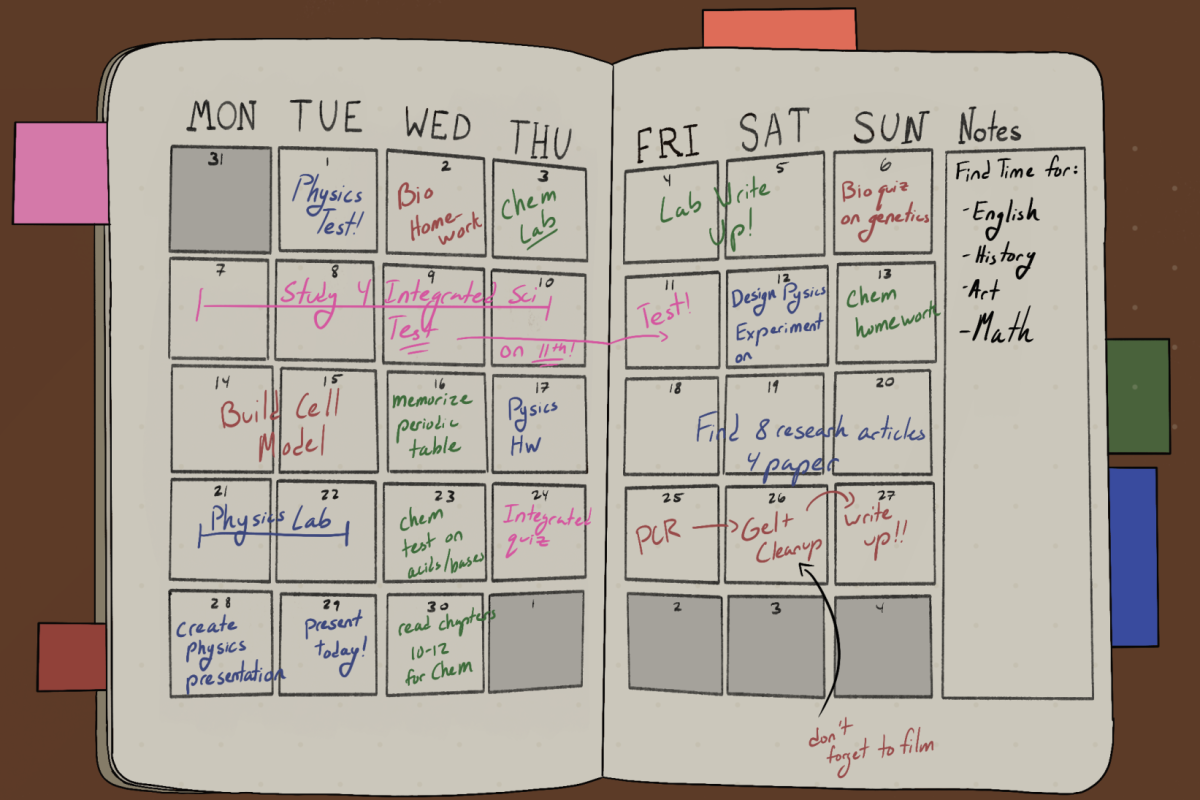
With the extra period, science classes often meet four out of five days of the week, and sometimes every day of the week. This can lead to burnout for both students and teachers. Additionally, it is more difficult to review material when the next topic is being taught right away.
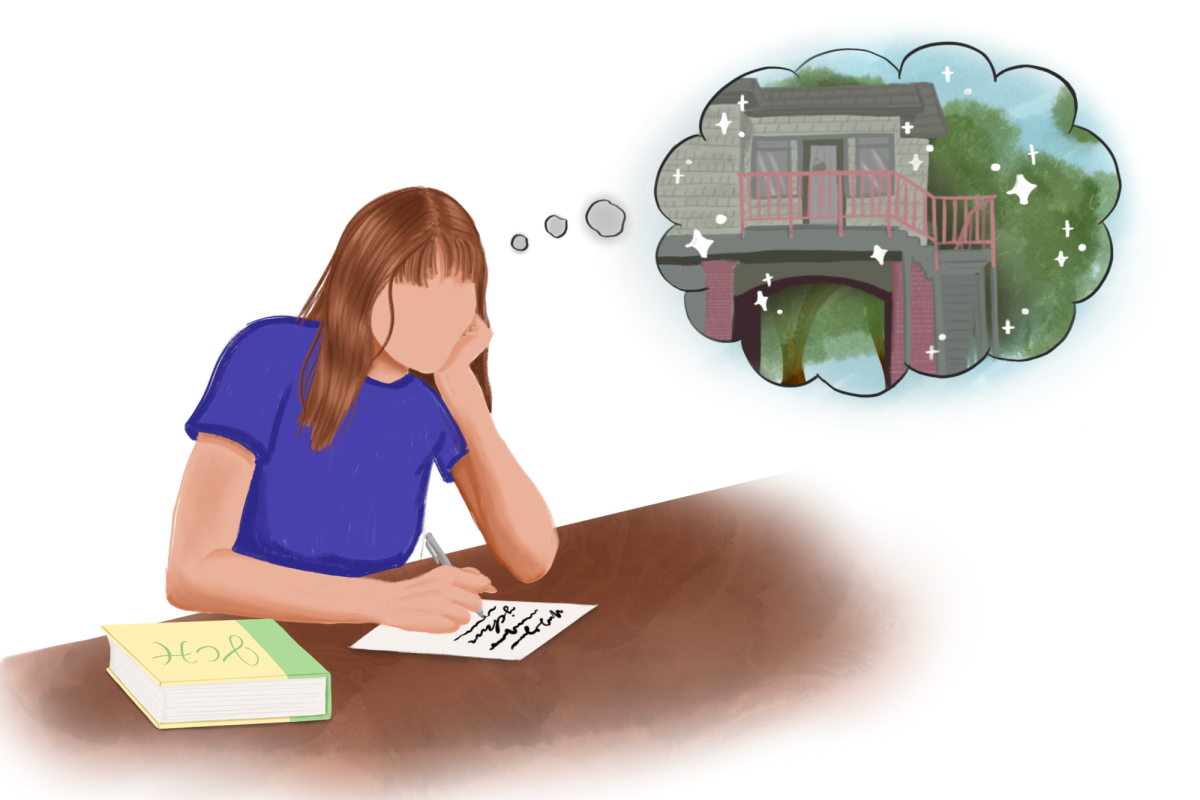
Personally, I have had trouble finding time to go back and review notes, due to the fact that there is only one day in the rotation where I am not assigned something new. Not only is it difficult to review material when new information is constantly being taught, but the schedule itself can become overwhelming. For instance, students whose science classes meet during Study Hall on Day One have four classes back-to-back in the morning with no breaks in between.
Replacing the extra science period with an additional study hall would reduce the homework load and burnout and provide time to study for other classes. And this does not mean sacrificing Poly’s challenging reputation––in fact, students might take more electives or advanced courses if they have more time to get work done.
The main concern behind this shift is the potential impact on lab time. The University of California requires that schools allot 20% of class time for labs for students to be eligible to attend a UC school.
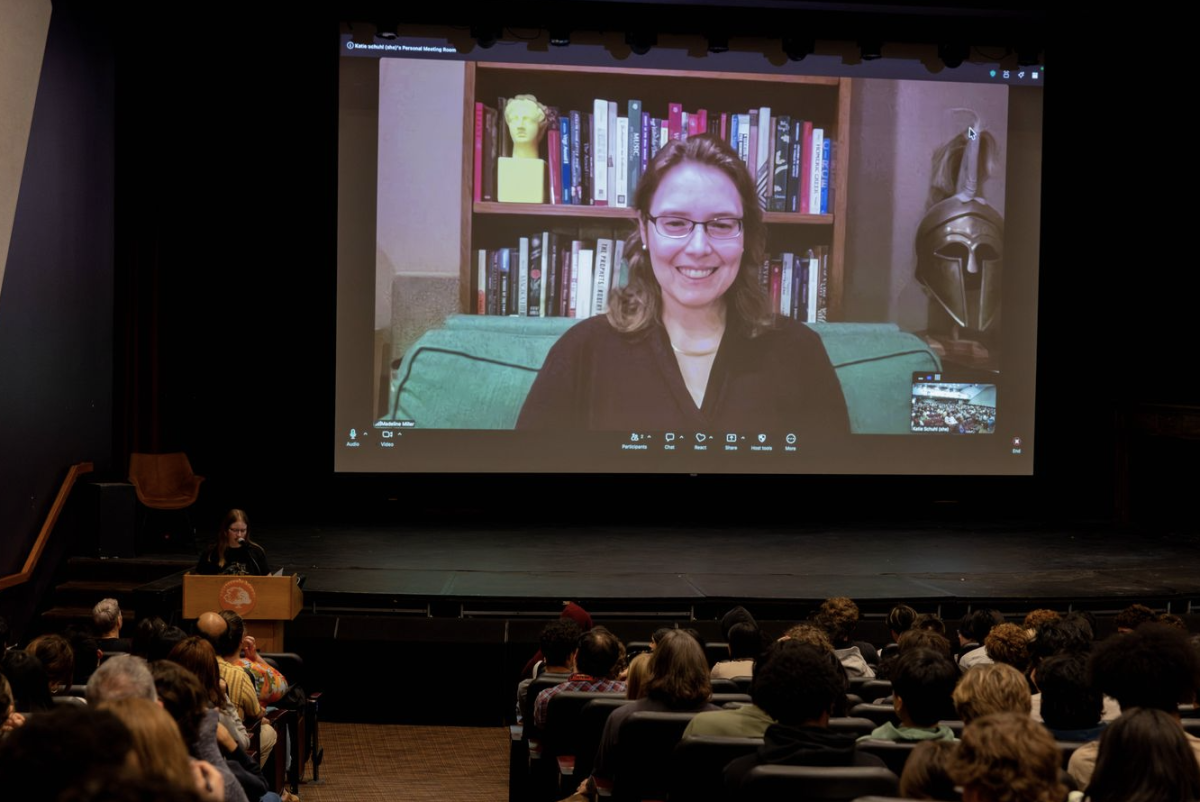
K-12 Science Department Chair Rachel Dunham said, “In order for us to deliver the curriculum that we promise, and the curriculum that prepares students for college, taking that away would severely impact our ability to give you all the lab skills that you will have.”
But instead of removing lab time, teachers could reduce the number of review classes, where students go over that unit’s material before an assessment.
“You should either be doing a lab once a cycle, or if you don’t have a lab that cycle, one of your class periods should be reviewing material,” Dunham explained.
If new material is not being taught, the review session essentially ends up being a study hall when students must work on only science. Replacing the extra science period with another study hall period would allow students to focus on whatever subject they need help with the most.
Of course, the science curriculum would have to change if the additional period were removed. But the shift shouldn’t be impossible, given that other departments are also confined to four classes per rotation. “In a perfect world, I would love for other classes to also get extra time,” Dunham said.
Unfortunately, this is not realistic, and the schedule is currently skewed toward science.
In addition to causing burnout, the additional science period also makes it harder to get help from teachers. While extra help is offered in the mornings, it can be challenging for students who live far away to get to school at this time. Unlike other teachers, science teachers are not available to meet during Study Hall because they are teaching, making it harder to schedule time to review information and get help on hard concepts.
“I do believe that not having that study hall period has made it a lot harder for me to meet with students as frequently as I would like. It makes it hard for students to meet with their science teachers as well,” said Upper School Science Teacher Will Mason. If students are constantly being taught new information without more opportunities to meet one-on-one with their teachers, they will have trouble succeeding in the class. Some science teachers have created a process for booking an appointment, which is very helpful to make it easier to find a time to meet. More teachers should use this system, but it still does not solve the problem that there is not enough time to meet with science teachers compared to other teachers.
While one possibility is to eliminate the additional science period altogether, another option would be to make the extra class a requirement only for advanced science courses. This would allow students who want to study science at a more rigorous level to have extra class time, while other students can focus on other subjects with an additional Study Hall period. Regardless of what option they choose, Poly must make some change to address the problems and inequity created by the mandatory extra science period.
Poly’s schedule should be built around the success of students. The additional period is meant to strengthen science skills but instead makes it harder to have a well-rounded schedule. Replacing the period with a regular Study Hall or only requiring it for advanced classes gives students more time to understand what they are learning both in science and their other subjects.